Categories
Blog Software Development

How to Decide Which Features Belong in Your MVP and Which Should Wait

Software Development

How to Decide Which Features Belong in Your MVP and Which Should Wait

GEt in Touch


    TABLE

      Quick Summary :

      Building a successful MVP is all about choosing the right features, not the most features. By focusing on the core problem, prioritizing high-value functionalities, and validating ideas with real users, businesses can reduce development costs, minimize risk, and launch faster. A well-planned MVP helps gather meaningful feedback, improve the product strategically, and create a stronger foundation for future growth.

      What Is an MVP

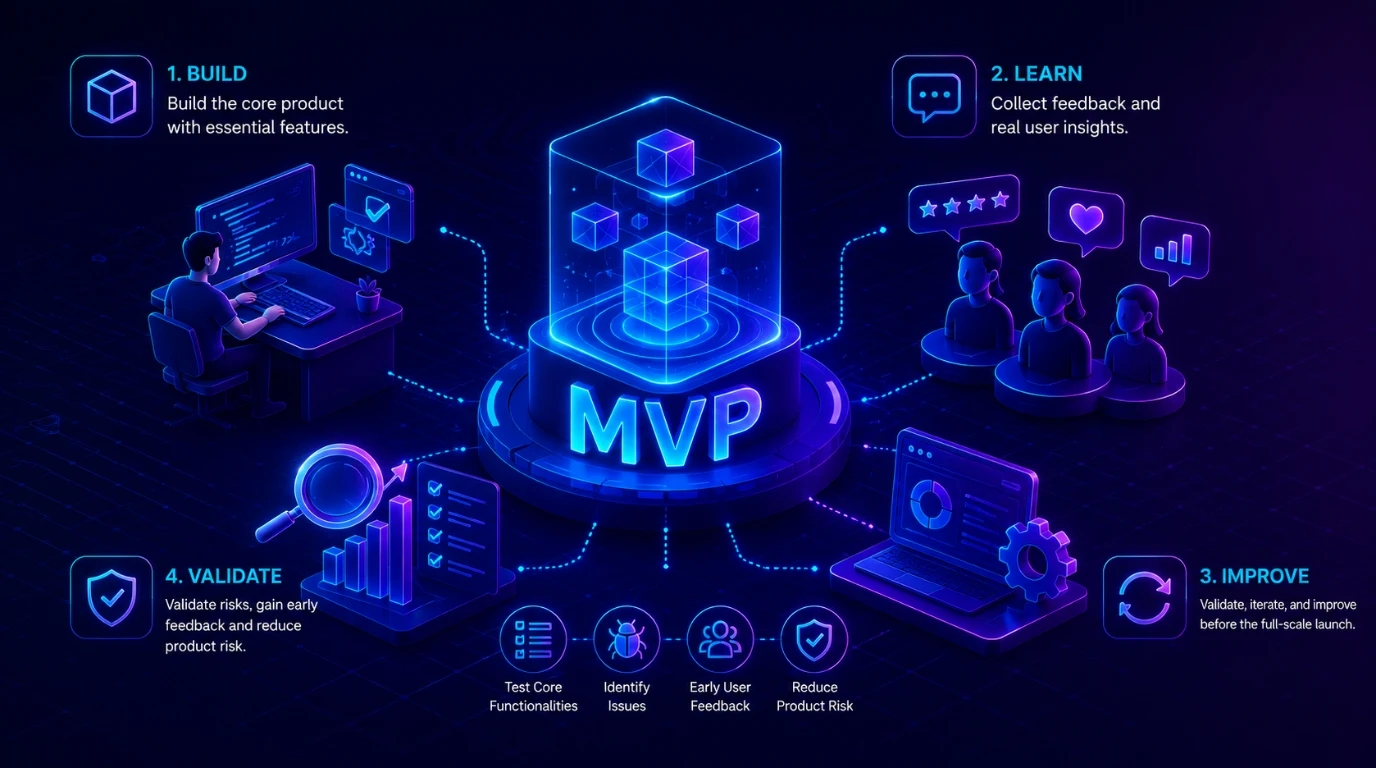
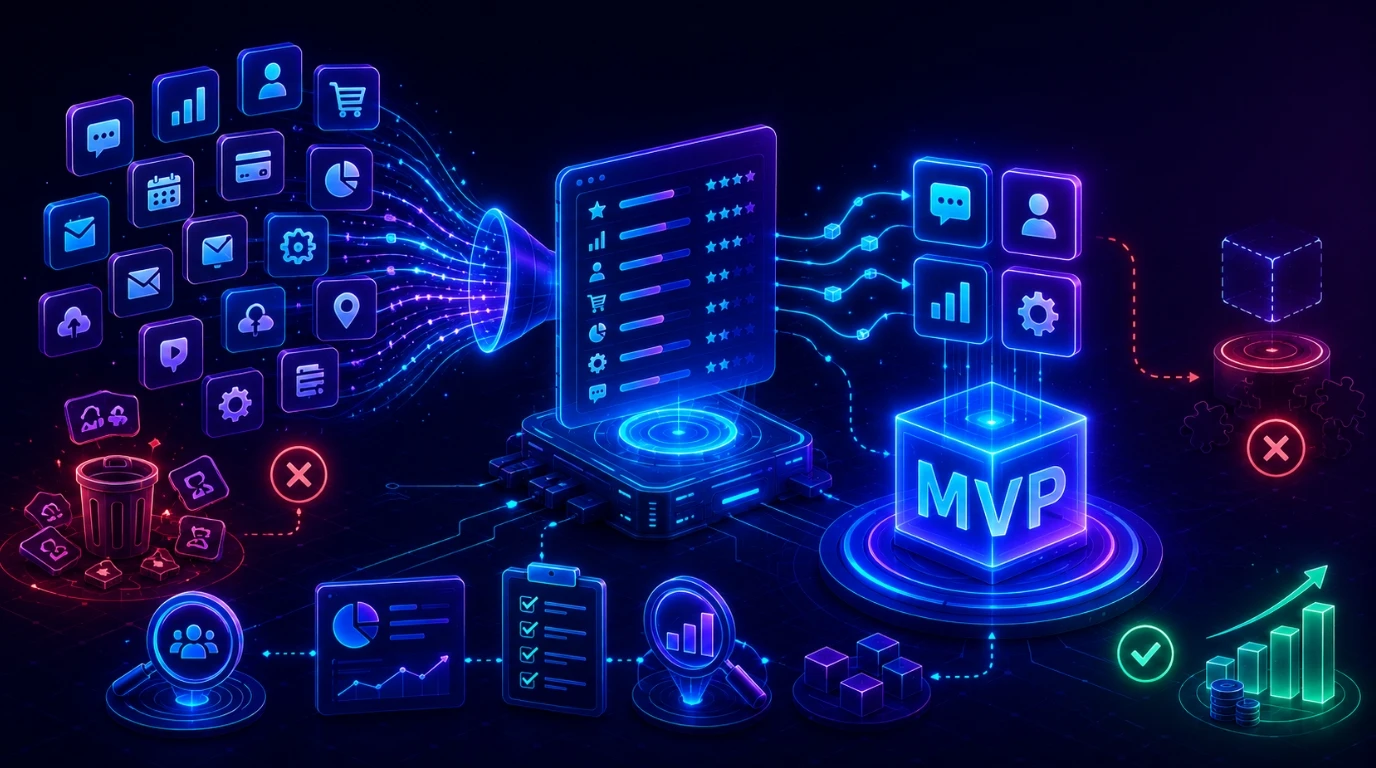
      A Minimum Viable Product (MVP) helps developers determine which features will work and which will not work. It also helps them decide which features are necessary and which are not. The goal is to deliver the best product to the customers and minimize the risk of failure.

      Entrepreneurs often become excited about their ideas and rush to launch products without validating whether customers actually need them.

      What Does MVP Mean in Software Development

      In the software development and IT industry, MVP is the most basic version of an application or website. It is specifically made for the purpose of testing its features and capabilities. It is usually distributed among a limited number of users or just to the in-house development team. All the bugs, glitches, and UI issues are tested, polished, and fixed in the MVP.

      The Purpose of MVP Development

      The main purpose or goal of an MVP is to determine and prove that the product will work in the intended market. During the early stages of development, an MVP is used to validate the risks, such as user data security. Feedback is taken from early adopters to further polish the product.

      Why Feature Prioritization Is the Core of MVP Development

      Feature prioritization in MVP is the process of choosing and ranking which features are important for the basic version of your digital product. It is different from the actual full-fledged development of the software, as this only focuses on the features and not anything else, like the UI.

      It is to test the viability of the product while using as few resources as possible. Through hypotheses and research, it is determined what features the users need and how they will behave while using the software.

      Through feature prioritization, teams can avoid adding unnecessary features while making sure the product solves real-world problems effectively.

      The Cost of Building Too Many Features

      If during the MVP design, you add too many features assuming that the users need all of them, then you would fall into a rabbit hole of not being able to decide which are useful. This is one of the most common challenges businesses face during mobile app development, and it often leads to wasted investment and delayed launches.

      The Risk of Building Too Few Features

      If you start with very few features, that means you have not understood the core issue that your software is going to solve. You have to research and perform a survey to understand what your target user base wants. An MVP that lacks critical features may fail to solve the user’s core problem, resulting in poor feedback and additional development cycles.

      How to Define MVP Features: A Step-by-Step Framework

      how to define mvp features: a step-by-step framework

      If you follow the step-by-step framework mentioned here, you will be able to make successful MVPs instead of wasting your time and money on failed products.

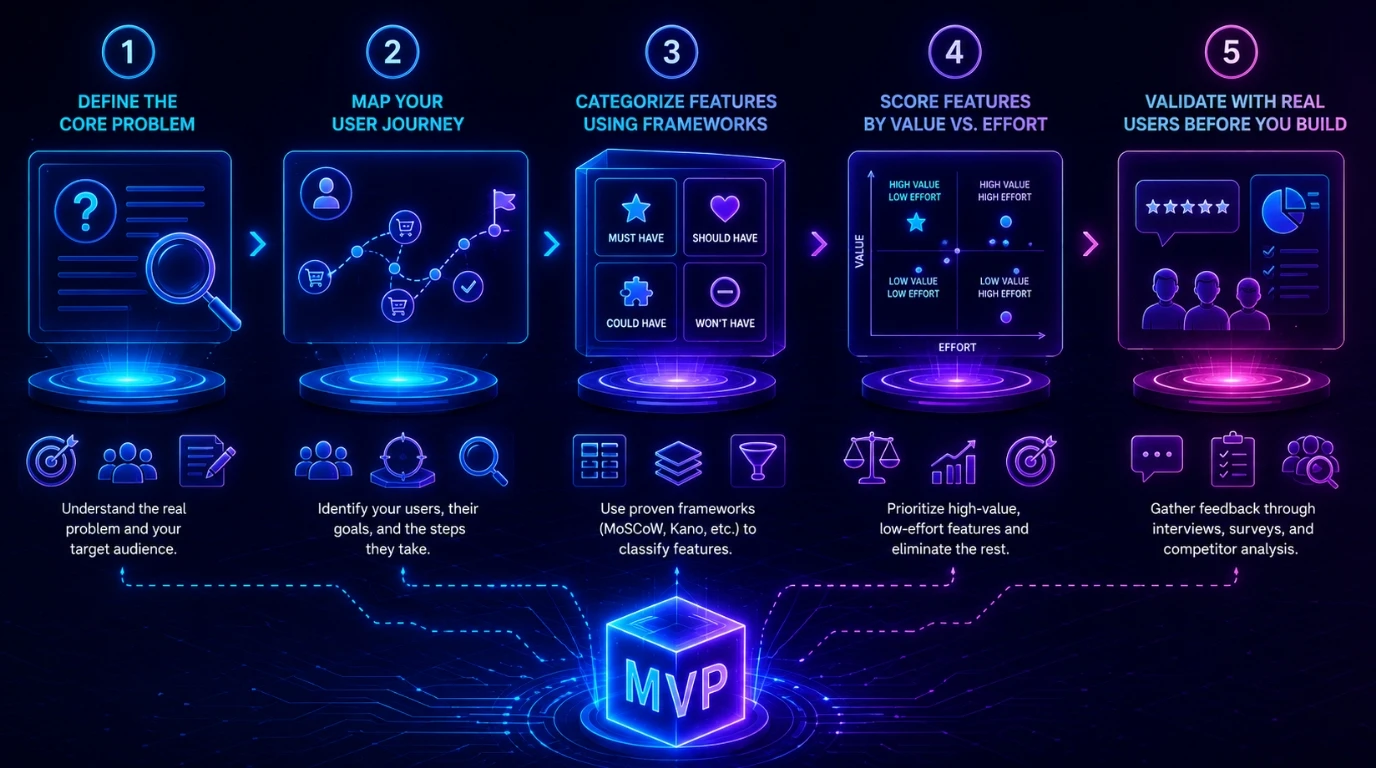
      Step 1 - Start With Your Core Problem Statement

      Begin by understanding and documenting the core problem statement that you aim to solve with your product. This will help you understand your customers. Most founders come up with solutions for problems that do not even exist.

      Step 2 - Map Your User Journey

      You must be as precise as possible to determine who your audience is going to be. You have to know one thing: you cannot make your product for everyone. Your product will cater to a part of society.

      Step 3 - Categorize Features Using the Frameworks

      This is where most development teams make mistakes. They prioritize features based on assumptions about which ones would work and which ones would not. The best and most efficient way to determine that systematically is by using proven frameworks. Teams also benefit from understanding whether custom software suits them better than off-the-shelf solutions before locking in their feature set.

      Step 4 - Score Features by Value vs. Effort

      In this step, you are to classify the features of your software into value and effort. The features with the highest value and least effort should be given more priority. The features with the least value should be immediately scrapped.

      Step 5 - Validate With Real Users Before You Build

      Before you build the final version of your software, you must take customer feedback and reviews. Have a direct conversation with the customers, conduct surveys, and do competitor analysis. Working with experienced custom software development services in India can help you structure this validation process more effectively.

      How Do You Decide What To Include In An MVP?

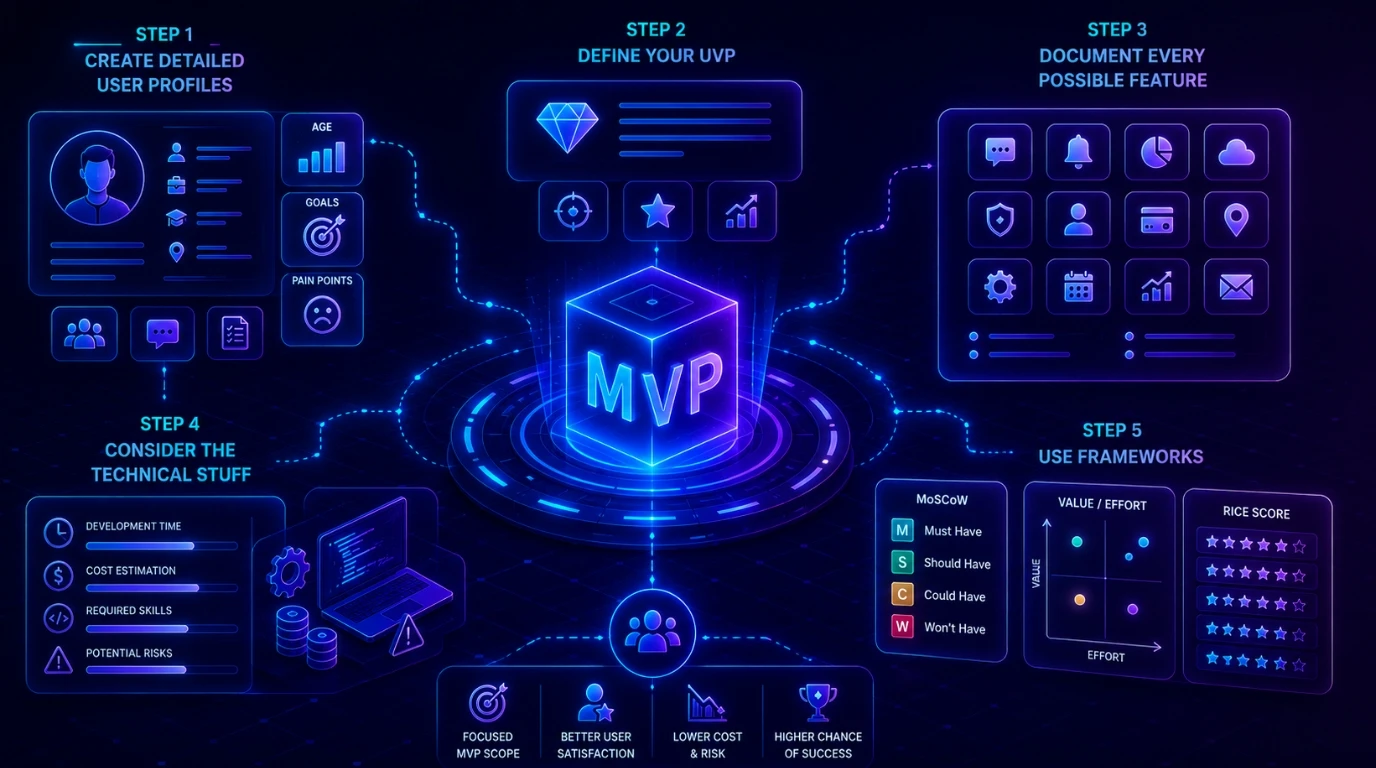
      • Create detailed user profiles:
        Know your users thoroughly. Take surveys and feedback. The demographics, job titles, age, etc of your users. How do they solve the problem right now? What type of solution will make them switch to your product?
      • Define your UVP:
        Your UVP (Unique Value Proposition) should be 1-2 sentences long, defining how you will solve the problem.
      • Document every possible feature:
        Document every possible feature you can think of or want to add. This will help you filter out.
      • Consider the technical stuff:
        Consider how long a feature would take to develop, the costs, and the skills required. What can go wrong during its development?
      • Use frameworks:
        Utilize frameworks to decide which features should be added to your application.
       

      How to Prioritize Features for MVP: Popular Frameworks Compared

      There are several frameworks used in the MVP development process. These frameworks help developers decide which features to include and which to avoid. They offer different ways that developers can organize and rank features based on their team size, industry, and product type. Here is the comparison of some of the most popular frameworks.

      Framework Main Idea How It Works Best For
      MoSCoW Method
      To prioritise features on the basis of importance
      Divides features into Must-Have, Should-Have, Could-Have, and Won’t-Have
      MVP feature planning
      Kano Model
      To understand which features will have higher user satisfaction
      Groups features into Basic, Performance, and Excitement
      Improving user experience
      RICE Scoring (Reach, Impact, Confidence, Effort)
      To quantitatively compare different features
      Calculates feature score by: (Reach × Impact × Confidence) ÷ Effort
      Data-driven decisions
      Opportunity Scoring
      To find out how important a feature is and how satisfied the users are with it
      If a feature has high importance and low satisfaction, it is considered a high opportunity
      Identifying market opportunities and innovation

      The Role of Your MVP Development Team in Feature Decisions

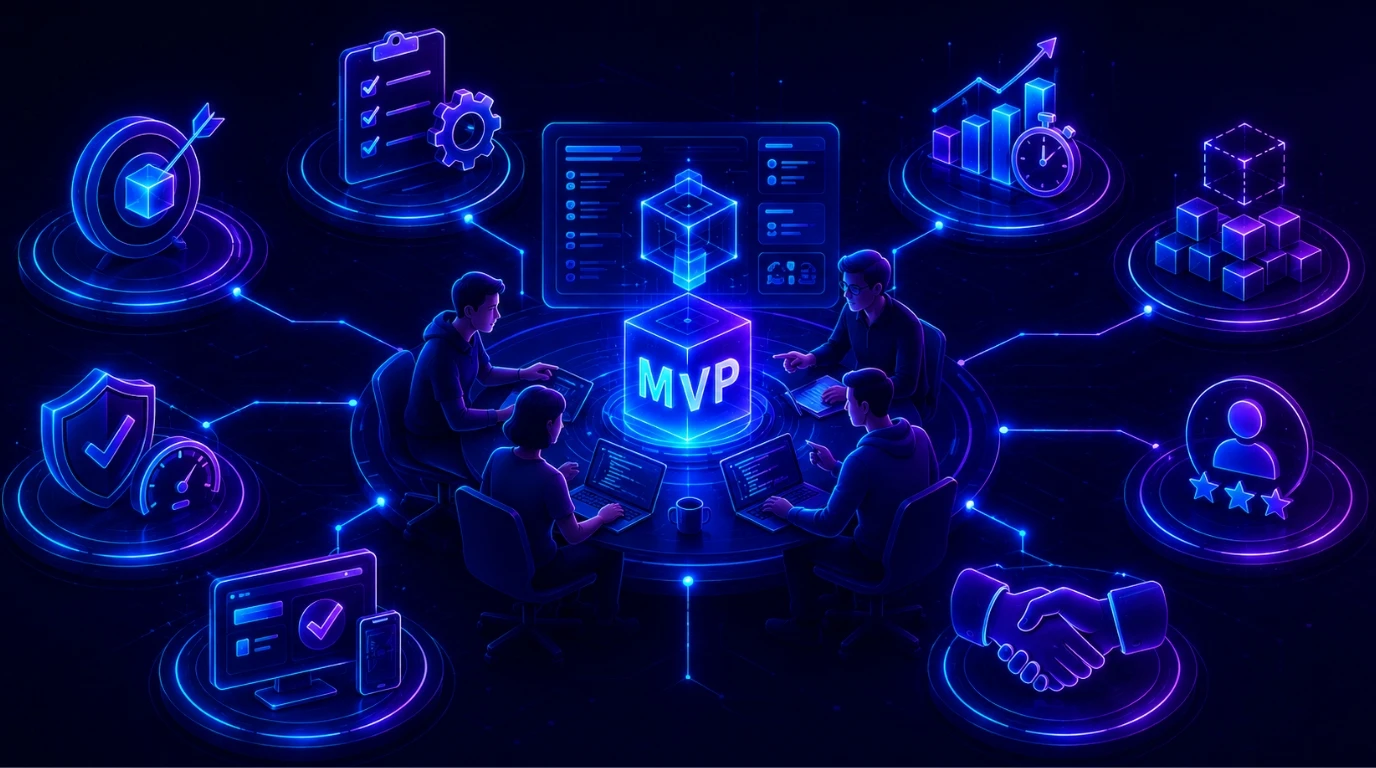
      • Identifying Core Features:
        The development team helps determine which features are essential for solving the main problem.
      • Evaluating Technical Aspects:
        They assess whether features can be built within the available timeline, budget, and technology.
      • Reducing Unnecessary Complexity: Providing Useful Insights:
        MVP teams often use past experience to recommend features that can improve usability and faster adoption.
      • Balancing Quality and Launch:
        The team ensures the MVP launches quickly without compromising essential functionalities and performance.
      • Scalability Planning:
        Developers help create a foundation that allows future features to be added easily.
      • Improving User Experience:
        The team gives ideas that make the MVP more user-friendly.
      • Collaborating with Stakeholders:
        The development team works closely with clients, designers, and product managers to facilitate better decisions.

      Common Mistakes When Deciding MVP Features

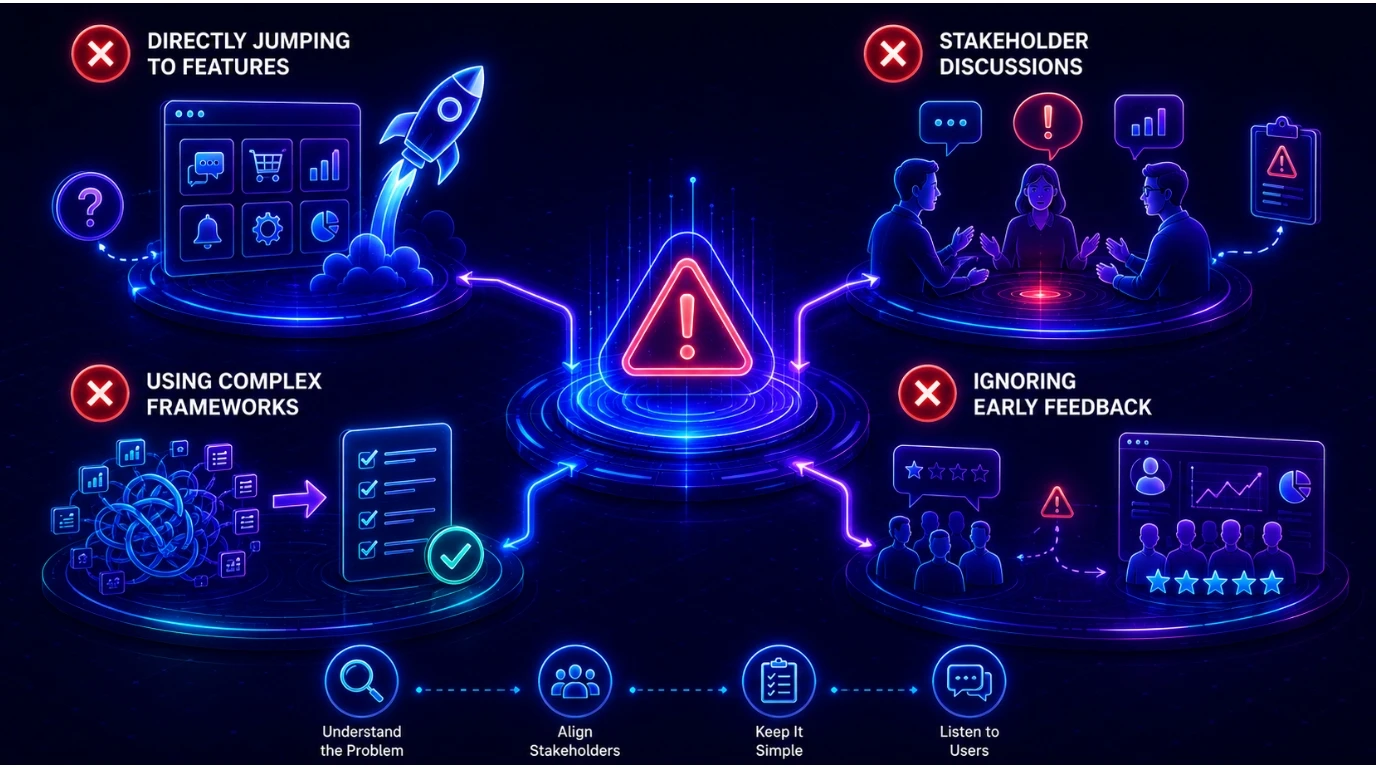
        • Stakeholder Discussions:
          If stakeholders are not updated on the latest status of the project, disagreements can happen in later stages, and the project scope can change.
        • Using Complex Frameworks:
          Start with a basic and simple framework that your team can understand. Move to a more complex framework only when necessary.
        • Ignoring Early Feedback:
          Always update priorities after receiving feedback from users.

      Conclusion

      Developing MVPs is a stage of software development, and even a good app development company in India might overlook it. Always begin with an MVP whenever you want to launch a new digital product in the market. It will help you save time, money, and manpower. You would also be able to get higher customer satisfaction ratings and engagement if you start with MVPs.

      Remember, it’s okay if the MVP is not perfect. In fact, it is not even supposed to be perfect. It is just a stepping stone in your development journey. It will teach you everything you need to know about your product and the users.

      Ready to build? Contact Our Global Teams

      🇺🇸 USA: +1 (919) 629-9671

      🇬🇧 UK: +44 20 3581 6366

      🇮🇳 India: +91 99099 84567

      🇦🇺 AUS: +61 07 3121 3147

      💬 Interested in Regular Insights on Software and App Development?

      📲 Follow Shaligram Infotech on LinkedIn
      Let’s build the future of applications together.

      FAQs

      What is the difference between an MVP and a prototype?

      A prototype is a model used to test ideas and design concepts, while an MVP is a functional product with core features that real users can use. Prototypes validate initial concepts, whereas MVPs validate market demand through actual user feedback.

      An MVP is ready to launch when its core features effectively solve the main user problem and provide a stable experience. It should be functional enough for real users to test, use, and provide meaningful feedback for future improvements.

      MVP features should be decided collaboratively by both the client and product team. Clients provide business goals and market understanding, while the product team contributes technical expertise and insights to prioritize the most valuable and practical features.

      An MVP has too many features when it includes functions beyond solving the core user problem. Extra features increase development time, cost, and complexity. It reduces the speed and efficiency that make MVP development valuable in the first place.

      Incorrect feature prioritization can delay product launches, increase costs, and confuse users. Missing essential features may reduce product value and unnecessary features create complexity.

      MVP development is useful for both startups and enterprises. Startups use it to validate ideas quickly, while enterprises use MVPs to test innovations, reduce risks, explore new markets, and gather customer feedback before making large-scale investments.Artificial intelligence helps improve mobile apps by delivering personalized user experiences, automating repetitive tasks, enabling predictive analytics, and enhancing security features. AI-powered mobile applications help businesses increase user engagement, streamline operations, and make smarter decisions based on real-time data insights. Contact our experts to build intelligent, scalable mobile app solutions for your business needs.

      MVP development costs vary depending on product complexity, features, technology stack, and development resources. Simple MVPs may cost a few thousand dollars, while complex applications require larger budgets. The objective is to minimize costs by focusing only on essential features.

      Categories
      Blog Software Development

      How Cloud-Based Business Applications Improve Scalability

      Software Development

      How Cloud-Based Business Applications Improve Scalability

      How Cloud-Based Business Applications Improve Scalability

      GEt in Touch


        TABLE

          Quick Summary :

          Cloud-based business applications help businesses scale faster and smarter by eliminating the limitations of on-premise hardware. They offer on-demand resource allocation, pay-as-you-go pricing, and automated maintenance, making growth more accessible and cost-efficient. Whether you are a startup or an enterprise, cloud solutions provide the flexibility and reliability needed to stay competitive.

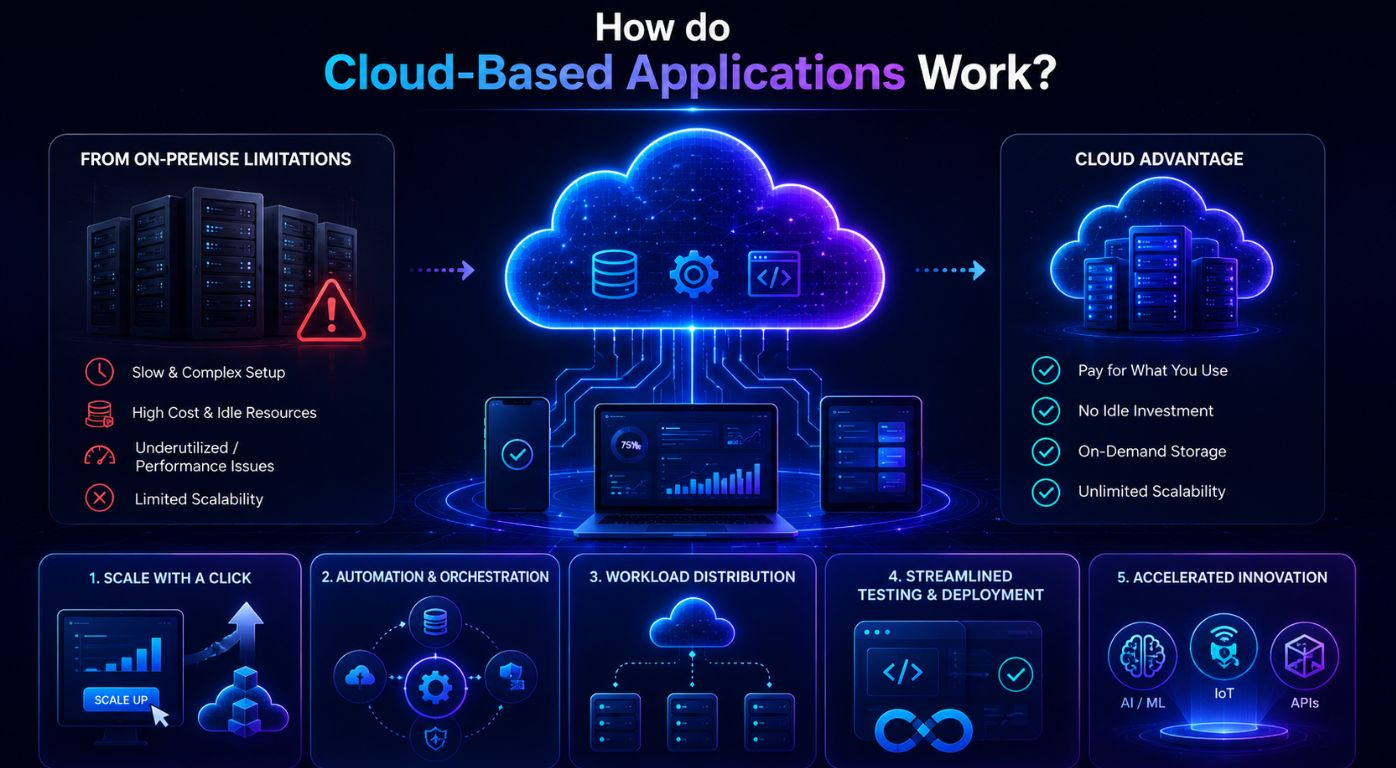
          How do Cloud-Based Applications Work?

          How Cloud-Based Applications Work

          Overcoming the Limitations of On-Premise Scaling

          Setting up and managing on-premise hardware can be burdensome and time-consuming. If you do not have experience with IT or do not want to hire a dedicated team for setting it up, then a cloud-based application is the best option. Manual installation can be costly, slow, and disruptive.

          In most cases, when businesses install on-premise hardware for scaling, they are not able to utilize it at full capacity. As a result, most of the hardware sits idle, and the money invested sees little to no return. Sometimes businesses incorrectly assume the storage they will require and then struggle with poor performance due to a lack of storage.

          On the other hand, with cloud-based applications, businesses only have to pay for what they use, which means there is no “idle” investment and no chance of a lack of storage. Businesses can just buy up storage as they need.

          Dynamic and Automated Resource Allocation

          Automation is at the heart of cloud-based systems. In fact, it is one of the major reasons why businesses prefer cloud-based applications over on-premise ones.

          Scaling at the Click of a Button

          Managing IT infrastructure that can keep up with evolving demands can be tough for businesses. On-premise hardware requires a hefty upfront investment. In cloud-based applications, scaling can often be done with just a click of a button. Yes, it is that simple and quick. They provide unprecedented flexibility. You can even scale down if necessary with just a few clicks.

          You can adjust resources quickly based on demands. For instance, if you have a seasonal business and are expecting a spike in demand, you can allocate resources without any costly hardware changes.

          Automation and Orchestration

          Automated scaling processes ensure you can scale during unpredictable or seasonal surges in traffic. Many businesses are disrupted when the right amount of resources is not available during such surges. This usually happens with on-premise hardware. It can ruin the reputation of the business and the overall user experience.

          Cloud infrastructure is built to provide a level of scaling that most businesses cannot attain without spending heavily. The process of scaling a cloud-based application can be automated with just a few clicks. This is especially beneficial for seasonal businesses or businesses that have predictable surges in traffic.

          Workload Distribution

          Unlike on-premise hardware that requires frequent manual intervention to make sure a single server does not get overloaded with data, cloud infrastructure maintains performance efficiency by automatically distributing workload. This system eliminates single points of failure and keeps the application running, while supporting massive growth in demand.

          Streamlined Testing and Deployment

          This is one of the major reasons why custom software development services in India love to work on cloud-based business applications. Testing applications and software on the cloud is so much easier and streamlined than using on-premise hardware. Utilising on-premise hardware requires long hours and manual labor at many phases.

          By using cloud infrastructure, developers can simulate and analyze real-world application behaviour across different platforms and scenarios. This allows them to test and ensure that the application will work smoothly as it scales. They can also detect glitches and bugs quickly this way.

          Accelerated Innovation

          In a highly competitive market, speed and efficiency can be the differentiating factor. By hiring a software development agency in India, businesses can take advantage of the cloud infrastructure. They can get access to advanced tools and technologies like AI, ML, IoT, and many more. These tools can help them develop and deploy applications without worrying about building expensive hardware. They can experiment easily and keep polishing the software before launching it in the market.

          Cloud also enables continuous integration and continuous deployment (CI/CD) pipelines. These allow developers to push new updates faster globally. This approach is also helping businesses modernise legacy systems without interrupting daily operations, making the transition to the cloud smoother and more efficient. Such a quick development and release timeline can empower businesses to gain a competitive edge and adapt to evolving customer needs and market conditions. 

          The Financial Advantage of Scalable Cloud Models

          The Financial Advantage of Scalable Cloud Models

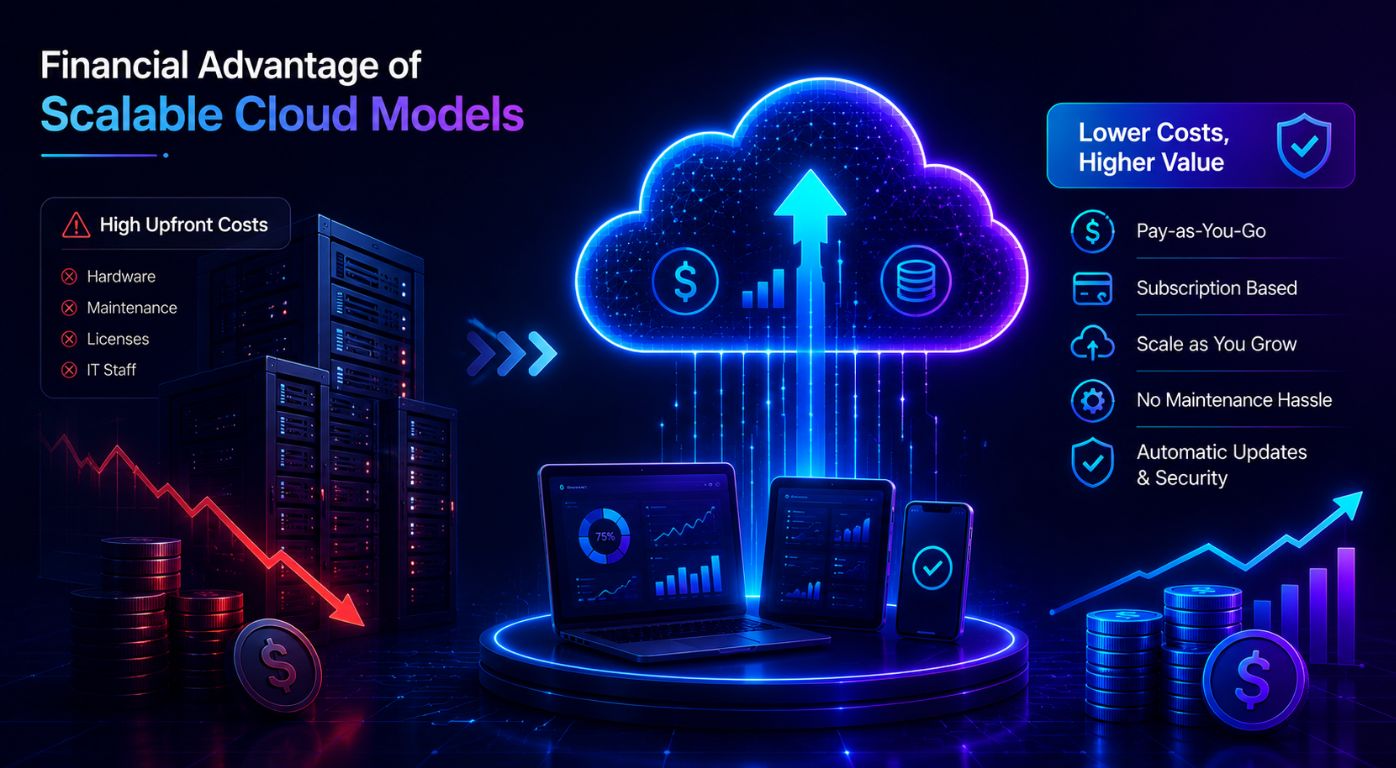
          Investing in on-premise infrastructure can be exhaustive. Small businesses and startups usually cannot afford such expensive hardware. On-premise infrastructure comes with maintenance, software licenses, and a dedicated IT staff to manage the systems. In the long run, these costs can add up quickly.


          Cloud-based applications are operational expenditure (OpEx) instead of capital expenditure (CapEx). It allows businesses to avoid huge upfront investments. Cloud services work on pay-as-you-go models and subscription-based services. Thus, businesses can add or remove storage or services as they grow and evolve. This is especially valuable for businesses running complex business systems like an ERP software development company in India, where cloud deployment removes the burden of costly on-premise server management. 

          Operational Efficiency: Freeing the IT Team

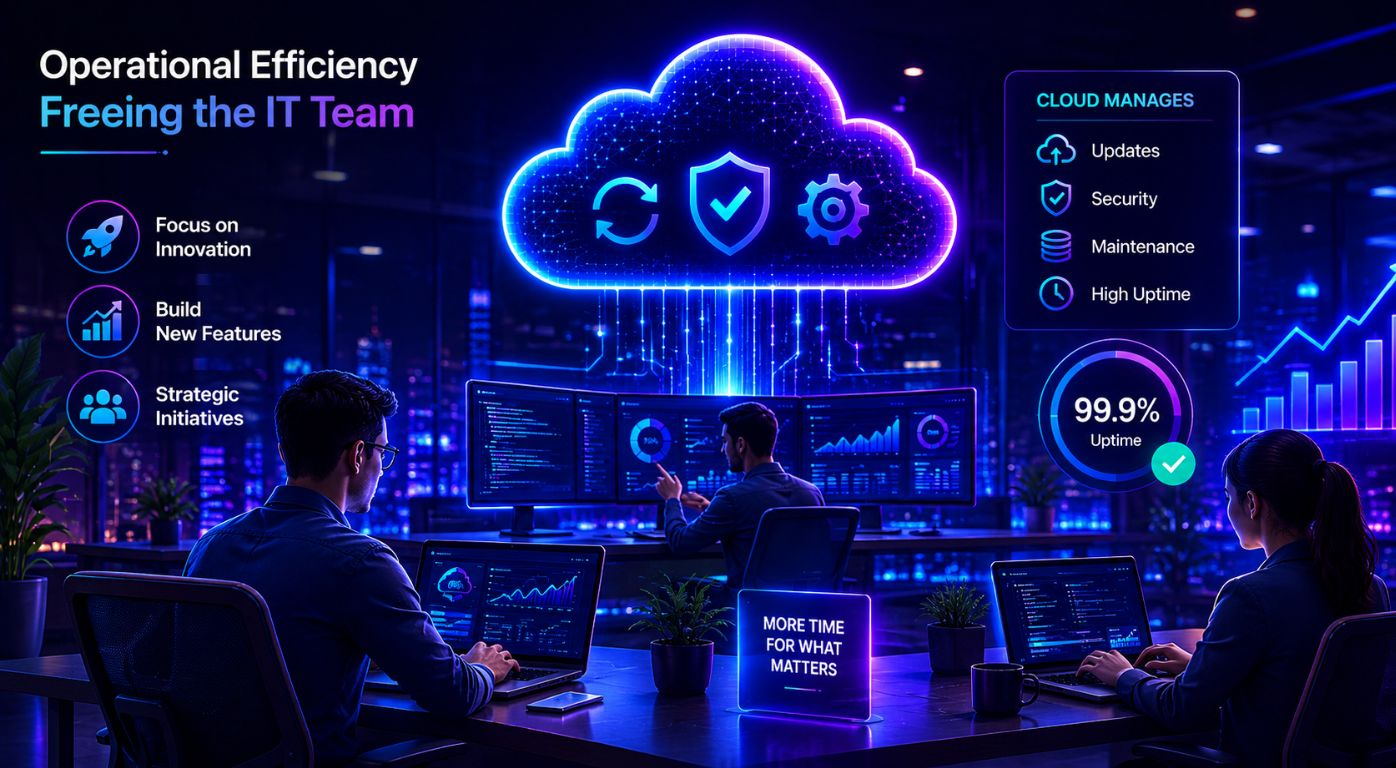
          You would not have to assign your IT team to monitor or manage the on-premise infrastructure. They can focus on other important strategic initiatives and develop new features and products. It will also save you money as you would not have to hire dedicated specialists.

          Cloud service providers will handle all the updates and maintenance, which makes it easier to scale, as you do not have to focus on those things. Many service providers guarantee 99% uptime, which means your IT team does not have to worry about outages or disruptions.

          Conclusion

          The world is evolving, and so are technology trends. As more industries start prioritizing efficiency and speed over establishing a hardware infrastructure, cloud-based applications are going to become the norm over the coming years.

          They provide everything, from seamless collaboration and security to almost zero chances of disruption and easy scalability. Businesses looking to build scalable cloud-based products should also consider choosing the right SaaS architecture to ensure long-term performance and growth. By embracing this technology, businesses, small and big corporations alike, can stay ahead in the competition while providing the best services to their customers. Even companies for mobile app development in India have rapidly adopted cloud-based development for efficiency, speed, and cost-efficiency.

          Ready to build? Contact Our Global Teams

          🇺🇸 USA: +1 (919) 629-9671

          🇬🇧 UK: +44 20 3581 6366

          🇮🇳 India: +91 99099 84567

          🇦🇺 AUS: +61 07 3121 3147

          💬 Interested in Regular Insights on Software Development?

          📲 Follow Shaligram Infotech on LinkedIn
          Let’s build the future of applications together.

          FAQs

          What are cloud-based business applications?

          Cloud-based business applications are software solutions hosted on remote servers and accessed through the internet. They help businesses manage operations, data, collaboration, and customer interactions without relying heavily on expensive and inefficient on-premise infrastructure.

          Cloud applications allow businesses to instantly increase or decrease computing resources based on demand. This flexibility helps companies handle growth, seasonal traffic spikes, and expanding operations without investing time and money in expensive hardware.

          Yes, cloud-based applications are perfect for small businesses and startups because they reduce upfront infrastructure costs. Cloud service providers have pay-as-you-go pricing models. This makes advanced technology more accessible and affordable.

          Absolutely. Cloud applications enable employees to access files, tools, and systems from anywhere with an internet connection. This improves collaboration, communication, and productivity across distributed teams.

          Most cloud service providers offer advanced security features such as data encryption, regular backups, multi-factor authentication, and automatic security updates. However, we recommend that businesses still follow best practices for data protection and access management.

          Industries with fluctuating demand or rapid growth, such as eCommerce, healthcare, finance, education, logistics, and SaaS companies, benefit greatly from cloud scalability.  It allows them to quickly adapt to changing workloads and demands.

          Scalability refers to the ability to increase or decrease resources to support long-term business growth. Elasticity focuses on automatically adjusting resources in real time based on short-term workload fluctuations.

          Categories
          Blog Software Development

          AI in Financial Services: Real-World Use Cases Beyond Chatbots

          Software

          AI in Financial Services: Real-World Use Cases Beyond Chatbots

          AI powering fraud detection and risk management in financial services

          GEt in Touch


            TABLE

              Expanding Role of Artificial Intelligence in Financial Services

              AI has evolved from rule-based automation to adaptive learning models capable of handling very large volumes of structured and unstructured financial data. Unlike traditional analytics, AI systems continuously learn from new data, enabling institutions to move from reactive to predictive strategies.
              Banks are integrating AI into:
              • Core banking platforms
              • Risk management engines
              • Treasury operations
              • Investment advisory products
              • Compliance processes
              AI adoption is not simply about implementing new technology. It is about building a more intelligent foundation for operating as a modern financial institution.

              AI Maturity Framework for Financial Institutions

              AI maturity progression in financial institutions from automation to autonomous systems) AI adoption in financial institutions typically progresses through structured maturity stages. Understanding your organization’s position is critical before scaling initiatives.

              Stage 1: Process Automation

              • Rule-based RPA
              • Limited machine learning integration
              • Task efficiency improvement

              Stage 2: Predictive Intelligence

              • Credit risk scoring models
              • Fraud detection systems
              • Forecasting engines embedded in workflows

              Stage 3: Decision Intelligence

              • AI-assisted underwriting
              • Real-time dynamic pricing
              • Scenario-based portfolio stress simulations
              • AI-powered treasury optimization

              Stage 4: Autonomous Financial Systems

              • Self-learning risk engines
              • Continuous compliance monitoring
              • AI-driven portfolio rebalancing
              Most traditional banks operate between Stage 1 and Stage 2. Competitive differentiation increasingly depends on advancing toward decision intelligence rather than running isolated AI pilots.

              Key Drivers Behind AI Adoption in Financial Services

              Structural changes across the industry are accelerating AI adoption.

              Increasing Sophistication of Fraud

              Fraud is evolving rapidly and often outpaces traditional rule-based detection systems. AI models can identify behavioral anomalies and detect new types of fraud in real time.

              Regulatory Compliance Pressure

              As global financial regulations grow in scope and complexity, AI enables continuous monitoring and automated compliance reporting, reducing operational burden.

              Competition from FinTech

              FinTech firms leverage AI to deliver highly personalized, data-driven services. Traditional financial institutions must adopt AI to maintain competitive positioning.

              Volume of Financial Data

              The amount of transactional, market, and customer data generated by financial institutions has increased dramatically. AI transforms this raw data into actionable intelligence.

              Need for Real-Time Decision Making

              Customers and markets operate in real time. AI enables immediate credit decisions, fraud detection, and dynamic pricing adjustments.

              Applications of AI in Financial Services and Banking

              applications of ai in financial services and banking
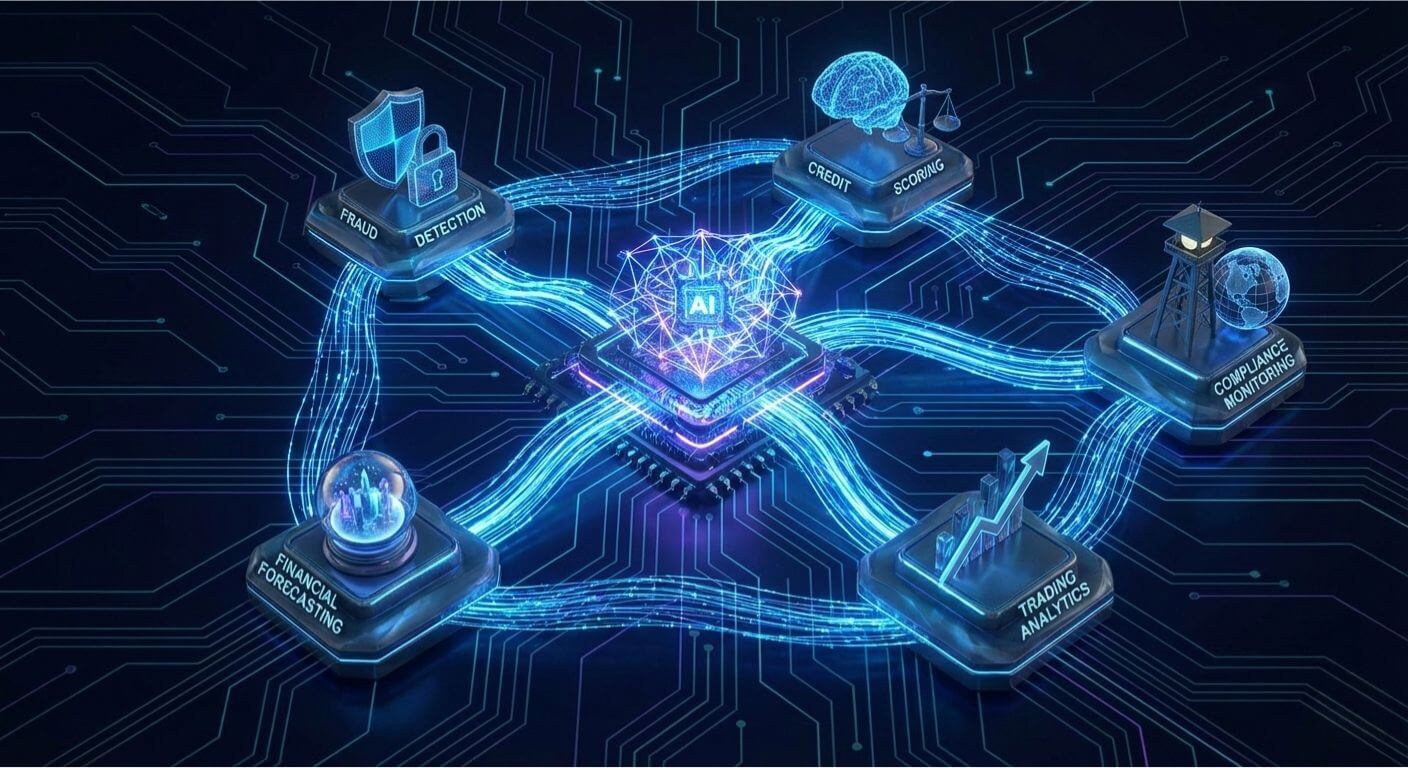
              AI has been incorporated into nearly every major function within financial services. Rather than operating as a standalone tool, AI acts as an intelligence layer across lending, trading, risk management, compliance, operations, and customer experience.

              Financial institutions are increasingly leveraging custom software development services in India to build AI-driven platforms tailored to their specific regulatory, operational, and scalability requirements.

              Credit Scoring and Underwriting

              AI models analyze borrower risk using both traditional credit data and alternative behavioral signals. This enables faster approvals, more accurate risk segmentation, and greater financial inclusion.

              Fraud Detection and Transaction Monitoring

              Machine learning systems analyze transaction patterns in real time to detect anomalies and suspicious activity. This reduces fraud losses while minimizing false positives that negatively impact customer experience.

              Risk Management and Stress Testing

              AI-driven risk engines simulate multiple macroeconomic scenarios to assess capital exposure and portfolio vulnerability, improving resilience planning.

              Algorithmic Trading and Portfolio Optimization

              AI systems process market signals, price movements, and sentiment data at high speeds. This enables dynamic trading strategies and real-time portfolio rebalancing.

              Regulatory Compliance and Reporting

              Natural Language Processing tools analyze regulatory documents and compare them against internal policies. This reduces manual review effort and improves audit readiness.

              Customer Insights and Personalization

              AI systems analyze transaction data, spending patterns, and engagement behavior to identify customer intent and deliver personalized product recommendations.

              Intelligent Document Processing

              AI combined with OCR extracts and validates key information from loan applications, KYC documents, and financial records, reducing manual data-entry errors.

              AI-Driven Decision Making in Finance

              Data Synthesis at Scale

              AI synthesizes structured and unstructured data, including market feeds, transaction behavior, and macroeconomic indicators, into unified insights.

              Risk Probability Modeling

              Instead of binary approve-or-deny decisions, AI assigns dynamic risk scores based on evolving data patterns.

              Scenario Simulation

              AI simulates multiple economic scenarios to evaluate resilience and forecast potential outcomes.This represents a transition from retrospective analysis to intelligence-driven financial strategy.

              Predictive Analytics in Financial Services

              Predictive analytics uses machine learning techniques to forecast future financial events.

              Loan Default Prediction

              AI models assess borrower behavior beyond traditional credit history to estimate default probability.

              Churn Prediction

              By analyzing behavioral trends, institutions can identify customers at risk of leaving and implement retention strategies early.

              Market Movement Prediction

              Investment firms use AI to identify patterns within high-speed trading data and market indicators.Predictive analytics improves risk management and strategic planning accuracy.

              AI-Powered Financial Forecasting and Planning

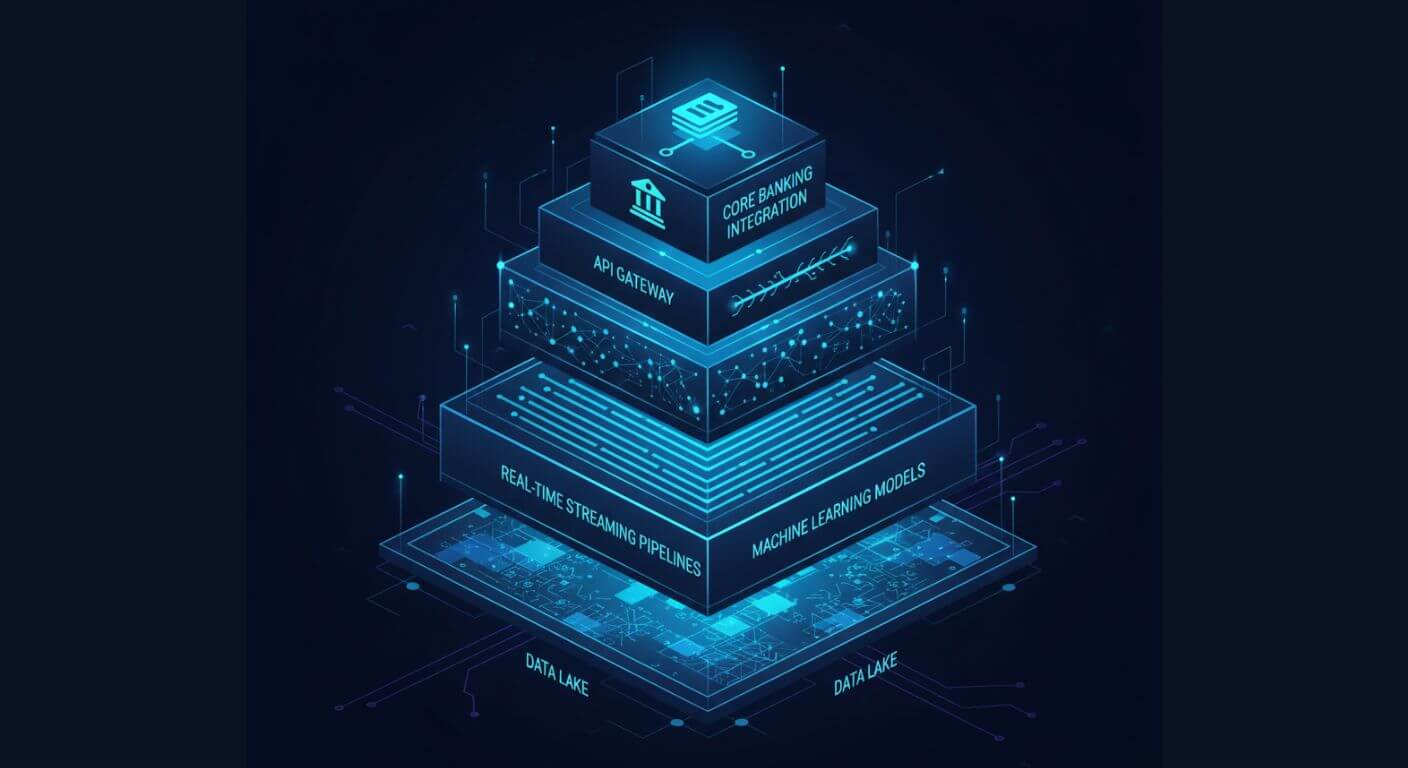
              AI architecture stack for scalable financial systems
              Financial forecasting has become more dynamic with AI integration.

              Revenue and Demand Forecasting

              AI models incorporate macroeconomic indicators, historical performance, seasonal trends, and customer behavior.

              Dynamic Cash Flow Forecasting

              Treasury teams use AI to anticipate liquidity fluctuations in both short-term and long-term planning.

              AI Forecasting Techniques

              • Time-series machine learning models such as LSTM
              • Ensemble learning methods
              • Reinforcement learning strategies
              These models often outperform traditional regression-based forecasting in volatile markets.

              AI Fraud Detection in Banking

              Fraud detection remains one of the most commercially proven AI use cases in banking, fundamentally transforming how institutions protect assets and minimize false positives.
              Modern fraud engines use behavioral biometrics, anomaly detection, and graph-based relationship analysis to monitor large volumes of transactions in real time.
              Effective fraud prevention requires balancing detection accuracy, customer experience, and regulatory compliance through continuous model monitoring and explainability frameworks.

              For a deeper technical breakdown of fraud detection architectures and compliance considerations, explore our detailed guide on AI fraud detection in FinTech and banking.

              Anti-Money Laundering Using AI

              AI enhances AML programs by identifying hidden transaction networks and suspicious relationships.

              Network Relationship Mapping

              Graph analytics reveal complex connections between accounts.

              Alert Prioritization

              AI ranks alerts by severity to improve investigation efficiency.

              False Positive Reduction

              Machine learning reduces unnecessary case reviews.
              These tools improve both compliance effectiveness and operational efficiency.

              AI for Regulatory Compliance in Financial Services

              I compliance monitoring system for financial institutions)
              AI transforms compliance from periodic review to continuous monitoring.

              Automated Regulatory Monitoring

              NLP analyzes regulatory updates and identifies gaps between external requirements and internal policies.

              Audit-Ready Reporting

              AI generates documentation and maintains traceable audit trails.
              Compliance shifts from reactive correction to proactive governance.

              AI-Powered Customer Insights and Personalization

              Modern customers expect digital-native financial experiences.

              Customer Behavior Analysis

              Customer behavior analysis using AI goes beyond standard metrics to identify deep transaction patterns, engagement signals, and lifecycle changes, enabling hyper-personalized banking experiences.

              Personalized Product Recommendations

              AI recommends relevant loans, insurance, or investment products based on predictive modeling.

              Dynamic Pricing Strategies

              Risk-adjusted pricing models enhance competitiveness and profitability.

              Intelligent Automation in Financial Services

              AI extends automation beyond rule-based RPA.

              Intelligent Document Processing

              AI extracts and validates data from unstructured financial documents.

              Decision-Enabled Workflows

              AI routes documents and tasks based on contextual risk evaluation.
              This results in higher levels of complex workflow automation.

              Challenges of Implementing AI in Financial Services

              Financial institutions face several implementation challenges:
              • Data fragmentation across legacy systems
              • Model explainability requirements
              • Bias and ethical risks
              • Infrastructure scalability limitations
              A structured AI roadmap is essential for overcoming these barriers.

              Best Practices for AI Solutions in Financial Services

              Successful AI implementation requires:
              • Alignment with measurable business outcomes
              • Strong data governance frameworks
              • Transparent and explainable models
              • Cross-functional collaboration
              Responsible AI ensures scalability, compliance, and long-term sustainability.

              Conclusion

              AI in financial services is no longer experimental. It is becoming core infrastructure.
              Institutions embedding predictive and prescriptive intelligence into underwriting, fraud detection, compliance automation, and forecasting systems are outperforming those relying solely on traditional analytics.
              The true competitive advantage lies in integrating robust AI solutions for financial services into core architecture, moving far beyond basic, customer-facing chatbots. Many organizations are partnering with the best software development company in India to build scalable, secure, and regulation-compliant AI systems that align with long-term digital transformation goals.
              The question is no longer whether to adopt AI, but how effectively and responsibly it can be scaled across the organization.

              As Shaligram Infotech highlights, successful AI adoption requires a strong technology foundation, industry expertise, and a clear long-term strategy.

              Organizations seeking long-term value increasingly collaborate with the best software development company in India to provide scalable, compliant AI implementation.

              Ready to build? Contact Our Global Teams

              🇺🇸 USA: +1 (919) 629-9671

              🇬🇧 UK: +44 20 3581 6366

              🇮🇳 India: +91 99099 84567

              🇦🇺 AUS: +61 07 3121 3147

              💬 Interested in Regular Insights on Software Development?

              📲 Follow Shaligram Infotech on LinkedIn
              Let’s build the future of applications together.

              FAQs

              How is AI used in financial decision-making?

              AI can analyze extensive datasets of financial information and provide predictive insights, risk scores, and scenario simulations to enable faster, more accurate decision-making.
              Several ways AI can assist with automated regulatory monitoring include, but are not limited to: discovering compliance gaps between regulations and an organization’s policies; conducting natural language processing (NLP) analysis of regulatory documents; and producing audit-ready reports.
              Issues that pose challenges when implementing AI in the financial system include: poor data quality; the complexity of industry regulations; limited model interpretability; ethical considerations related to bias, poor integration with legacy systems; and substantial upfront capital required for implementation.
              AI’s ability to determine transaction patterns and analyze customer interactions consistently delivers personalized product recommendations, predicts what customers will require in the future, and improves the overall quality of customer interactions.
              Categories
              Blog Software Development

              How to Choose Between Custom Software and Off-the-Shelf Solutions

              Software

              How to Choose Between Custom Software and Off-the-Shelf Solutions

              A detailed custom vs off the shelf software comparison for enterprise business solutions

              GEt in Touch


                Off-the-Shelf vs Custom Software: Key Differences

                At a high level, off-the-shelf software is pre-built for a broad audience with common use cases, while custom software is designed to meet the organisation’s specific needs. Off-the-shelf tools enable fast, low-cost installation, while custom solutions enable businesses to create unique products that can be expanded to meet their specific needs.

                Businesses need to evaluate not just features but also adaptability, long-term costs, integration complexity, and control over ownership before deciding. 

                Off-the-Shelf Software: When Speed and Simplicity Matter

                What Off-the-Shelf Solutions Offer

                The software delivers pre-built solutions that users can implement without delay. The software tools serve as standard solutions that businesses use to manage their operations through CRM, accounting, project management, and HR systems. The vendors manage maintenance tasks alongside update processes and security patching, enabling teams to focus on system adoption rather than their development work.

                Startups and small teams find these systems essential because they provide reliable operations at a cost that requires no substantial upfront expenses. The subscription pricing model, which operates on a fixed schedule, enables businesses to manage their financial resources more effectively during the initial period. 

                Limitations of Off-the-Shelf Software

                Off-the-shelf tools offer users greater convenience, but they provide essential functional capabilities that remain confined to specific boundaries. Businesses need to modify their work processes to operate in accordance with software requirements rather than following their original procedures. The system allows users to perform customisations, but they must use third-party tools or plugins to achieve additional system integrations.

                The regular use of standard features by businesses creates scaling problems as they expand their operations. The system enforces licensing fees that restrict user access and permit vendors to determine system development priorities, thereby limiting system flexibility and driving innovation. 

                Custom Software Development: Built Around Your Business

                Scalable custom software supporting business growth

                What Custom Software Development Delivers

                Custom software is developed to meet the specific requirements of a particular business, its operational processes, and industry standards. The company provides customised solutions that enable its teams to work according to their existing methods rather than following fixed operational procedures.

                Custom development enables organisations to define their own business rules and automate processes, resulting in unique product features that set them apart from competitors. The solution provides complete control of all product elements and upcoming system enhancements. 

                Scalability of Custom Software

                The true scalability of custom software lies in its ability to allow businesses to expand their operations seamlessly and without artificial limitations. The system enables businesses to grow their operations by adding new features, managing higher demand, and incorporating advanced technologies. Custom systems maintain their market relevance through ongoing development, which meets current requirements without necessitating complete platform changes. 

                Custom Software vs Off-the-Shelf Software Comparison

                Comparison Factor

                Off-the-Shelf Software

                Custom Software Development

                Cost Comparison: Short-Term vs Long-Term Lower upfront cost; recurring subscription and licensing fees increase over time Higher initial investment; potentially lower long-term costs with ownership and efficiency gains
                Time-to-Market Fast deployment; ready-to-use solutions with minimal setup Longer development cycle due to planning, design, testing, and deployment
                Scalability & Performance Limited scalability; built for general use cases and standard workloads Designed for business-specific growth, performance optimization, and future scalability
                Integration Capabilities Basic integrations; may require plugins or middleware for complex systems Built to integrate seamlessly with existing systems, APIs, and internal workflows
                Security & Compliance Control Vendor-controlled security standards; limited custom compliance configurations Full control over security architecture, compliance requirements, and data governance

                Cost Comparison: Short-Term vs Long-Term

                The initial costs of off-the-shelf tools appear economical because they require only subscription fees and basic installation expenses. The total costs for the extended period will increase due to licensing charges, user-based fees, and additional integration costs.
                The initial costs of custom software development require businesses to spend more money. The custom software solution will deliver financial benefits through reduced licensing expenses and improved operational performance throughout its lifespan. The ROI from business growth is higher for companies with advanced requirements.

                Time-to-Market

                Companies can use off-the-shelf solutions to achieve their deployment goals. Businesses can implement systems within days or weeks. The custom development process takes longer because it involves multiple phases: design, development, testing, and deployment. The custom development process delivers more precise functionality that matches operational objectives.

                Scalability & Performance

                The pre-built solutions provide general functionality, but they fail to meet the specific scaling requirements of the cases. Custom software can be designed to meet specific performance requirements, data processing needs, and user growth projections.

                Integration Capabilities

                The need for integration arises when businesses operate through multiple systems. The off-the-shelf tools provide APIs as their main feature, but they need extra middleware for proper functionality. From the first day of development, custom solutions can build their system to enable integration.

                Security & Compliance Control

                The security settings of pre-built software products are managed by their respective vendors, which means these tools fail to meet the compliance requirements of different industries. Custom software enables organisations to establish their own security measures, data-handling protocols, and compliance standards.

                Software Integration Challenges Businesses Often Ignore

                Software integration challenges across enterprise systems
                Many organizations underestimate the software integration challenges that arise when adopting new tools. The combination of compatibility problems, data silos, inconsistent APIs, and inadequate system interoperability often leads to operational disruptions. Whether you are using off the shelf vs custom software, seamless integration is essential for maintaining efficiency.
                The absence of effective planning leads to greater integration difficulties, resulting in higher costs and delayed software adoption. Businesses should evaluate how new software will integrate with legacy systems, data sources, and third-party tools before making a decision.
                For organisations relying on legacy ERP systems, understanding the process of migrating from NAV to Business Central is important to provide seamless integration, improved scalability, and long-term system reliability.

                Vendor Lock-In Risks with Off-the-Shelf Software

                Vendor lock-in risks with off-the-shelf software platforms

                Pricing Dependency

                The vendors determine both their pricing systems and their subscription programs. The budget will face major shifts in the event of unexpected cost increases and changes to product features.

                Limited Roadmap Control

                Vendor development priorities determine the features that businesses need to implement. The requested features might not be developed, as system updates will cause workflow interruptions.

                Migration & Exit Challenges

                One of the most significant vendor lock-in risks is the difficulty of switching platforms. Moving away from a rigid system presents major hurdles in data migration, integration, and team training, often causing unexpected operational downtime. Business operations will experience shutdown periods during system switches.

                Custom Software Development Cost: What You're Really Paying For

                Scalable custom software supporting business growth
                The expenses for developing custom software cover all activities from business analysis through UI/UX design and software development to software testing, software deployment, and ongoing software maintenance. Businesses benefit from higher upfront costs because they receive ownership rights, operational flexibility, and the ability to adapt to future changes.
                The costs demonstrate how improved efficiency, reduced manual operations, and streamlined processes result in financial benefits. Custom solutions reduce hidden costs stemming from licensing restrictions and persistent operational inefficiencies.

                When to Choose Off-the-Shelf Software

                • Your organisation requires an immediate implementation framework.   
                • Your business processes follow standard industry workflows.   
                • Budget constraints require minimal upfront investment.   
                • You require only basic features without the need for extensive customisation.   
                • Your organisation operates as a small or early-stage company that needs basic operational support.

                When to Choose Custom Software

                • Your business operates with distinct operational methods and specialised work activities.   
                • You need comprehensive system integrations that work across your various platforms.   
                • The ability to scale and maintain performance efficiency is essential for your business expansion.  
                • You want to have total control over your product’s functionalities.   
                • Your organisation considers technological advancements its primary means of establishing itself as a unique competitor in the market.

                How to Choose Between Custom and Off-the-Shelf Software

                Step 1: Define Business Requirements

                Document your current workflows, operational issues, and business goals so you can see where your existing tools can help and whether you need a custom solution.

                Step 2: Evaluate Growth & Scalability Needs

                When planning for growth, choose software that meets your long-term needs. For custom solutions, select the right delivery platform. Understanding mobile and web apps can improve performance and user experience, supporting your business goals.

                Step 3: Assess Integration Requirements

                Map out your technology landscape to see how new software interfaces with CRM’s, ERPs, Data Analytics tools, and other internal applications.

                Step 4: Compare Total Cost of Ownership

                Look at the upfront costs and the total cost of ownership, including licenses, maintenance, updates, infrastructure, and training.

                Step 5: Identify Risk Tolerance & Vendor Dependency

                Decide how much control you would like over your technology roadmap. Understand the associated risks of vendor pricing, data ownership, and platform flexibility before deciding.

                Decision Matrix: Custom Software vs Off-the-Shelf Solutions

                Decision matrix comparing custom and off-the-shelf software
                Companies use a systematic decision matrix to choose among alternatives based on factors such as scalability, cost, delivery time, and competition. By assigning weights, these decision matrices enable leaders to make objective decisions that align with their company’s strategic goals.
                For instance, startups are interested in getting their products or services to market as quickly as possible and at the lowest possible cost; however, larger businesses that concentrate on innovation may prefer custom development because it offers greater flexibility and allows them to differentiate themselves from competitors.

                Conclusion

                Ultimately, the debate of custom software vs off the shelf software depends entirely on your company’s strategy, operational complexity, and growth vision. By carefully evaluating the custom software development cost alongside potential software integration challenges, you can make a secure, future-proof technology decision.
                Off-the-shelf software offers fast deployment and cost-effectiveness for typical use cases. In contrast, custom software can provide you with scalability, flexibility, and differentiation in your marketplace if you’re an organisation with a unique workflow style and future digital transformation goals.
                For organizations that want to save money and find skilled workers, working with an offshore software development company in India is a smart way to create custom solutions. This approach helps maintain flexibility and allows for growth over time.
                By taking the time to properly assess the need, cost, risk, and integration of either type of software, your organisation, with guidance from Shaligram Infotech, will be able to make a software selection that not only serves present-day needs but also supports future growth and innovation.

                Ready to build? Contact Our Global Teams

                🇺🇸 USA: +1 (919) 629-9671
                🇬🇧 UK: +44 20 3581 6366
                🇮🇳 India: +91 99099 84567
                🇦🇺 AUS: +61 07 3121 3147

                💬 Interested in Regular Insights on Software Development?

                📲 Follow Shaligram Infotech on LinkedIn
                Let’s build the future of applications together.

                FAQs

                Custom software vs off-the-shelf software: Which is better for business growth?

                Custom software supports long-term business growth by enabling scalability, tailored workflows, and system ownership, while off-the-shelf software is better for short-term needs and standard operations. Contact us to discuss which software approach best supports your business growth.
                Scalability is critical for complex workflows, as it enables an organisation to leverage technology to gain a competitive edge.

                Organisations require rapid deployment, budget certainty, and repeatable solutions for their day-to-day operations. 

                While custom software development cost requires a higher initial investment, it often delivers a superior long-term return on investment by eliminating recurring licensing fees and avoiding costly software integration challenges.
                Yes, organisations can become reliant on vendor prices and the release of new features to migrate from one vendor to another.
                Return on investment will vary depending on the complexity of the business. Organisations that grow steadily often derive greater long-term value from custom software, whereas they can achieve faster returns with off-the-shelf solutions.

                Custom development is often advantageous for businesses with industry-specific workflows such as healthcare, logistics, fintech, manufacturing, and enterprise SaaS. 

                Categories
                Blog Software Development

                AI in FinTech: Managing Innovation, Compliance, and Customer Trust

                FinTech

                AI in FinTech: Managing Innovation, Compliance, and Customer Trust

                AI in FinTech improving fraud detection, compliance monitoring, and customer trust

                GEt in Touch


                  Why Compliance Comes First in AI-Driven FinTech Transformation

                  AI compliance and regulatory governance in fintech

                  FinTech Compliance Challenges in the AI Era

                  AI systems introduce complexities that traditional compliance frameworks were not designed to handle. Unlike static rule-based systems, AI models evolve through continuous data-driven learning. This can result in unpredictable behavior if models drift away from approved operating parameters.
                  Key compliance challenges include:
                  • Model drift: AI models can gradually change behavior over time, deviating from approved guidelines.
                  • Audit complexity: Explaining AI-driven decisions to regulators becomes more difficult.
                  • Third-party AI risk: External data sources and tools increase security and governance risks.
                  Global FinTech platforms must also comply with regulations across multiple jurisdictions. This requires continuous monitoring, strong documentation controls, and well-defined governance across the AI lifecycle.

                  AI Compliance in FinTech: What Regulators Expect

                  Regulators are increasingly evaluating the entire AI lifecycle, from model design and training to deployment and ongoing performance evaluation. While regional regulations differ, common expectations are emerging. Global regulators such as the EU (EU AI Act), FCA (UK), SEC (US), and RBI (India) increasingly require risk classification, explainability, auditability, and human oversight in AI-driven financial systems.

                  Regulatory bodies typically expect:

                  • Clearly defined AI use cases and risk classifications
                  • Regular model validation and performance testing
                  • Traceable data sources for training and inference
                  • Evidence of human oversight and override mechanisms
                  AI compliance is not intended to slow innovation. It exists to ensure that innovation operates safely within the financial ecosystem.

                  Data Privacy in FinTech: The Foundation of Customer Trust

                  Data privacy and security in AI-driven fintech systems

                  Why Data Privacy Is Critical for AI in Financial Services

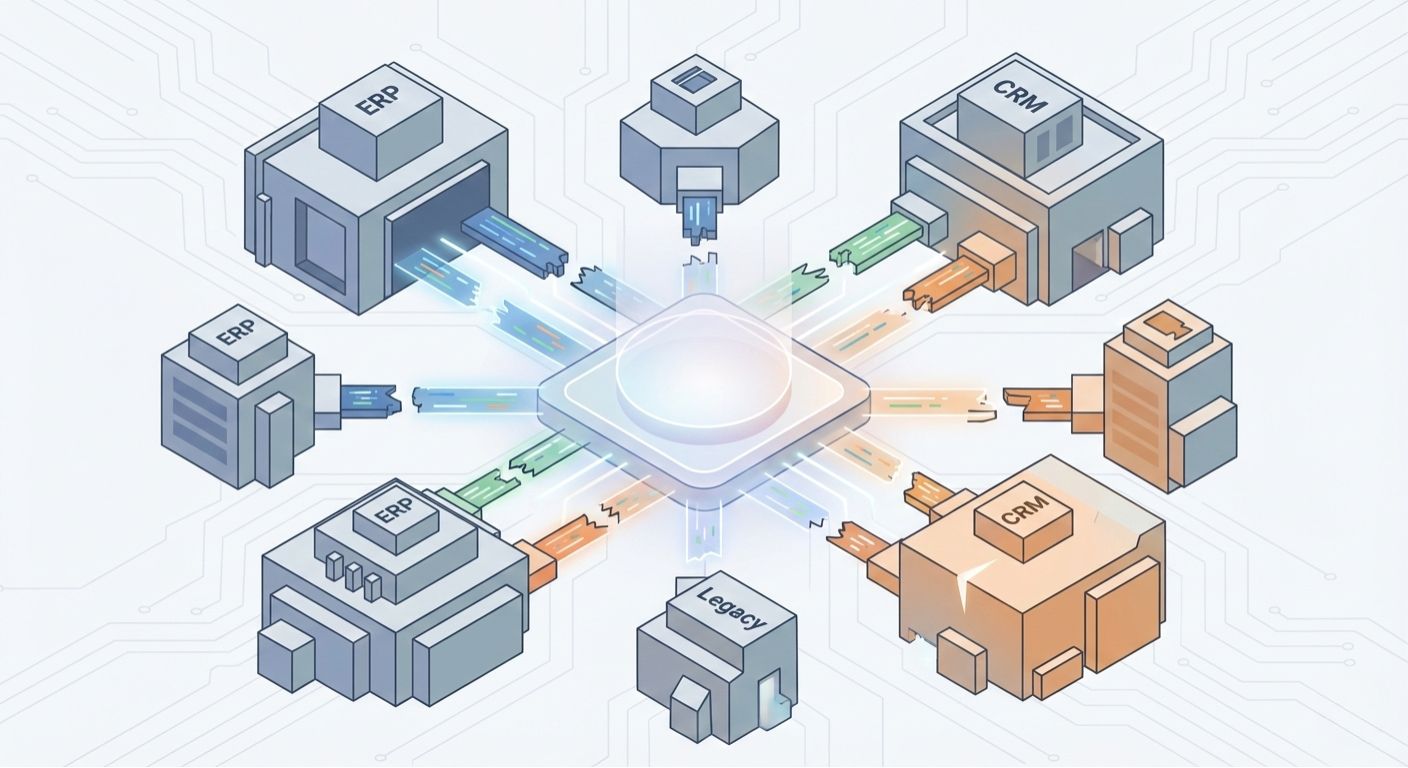
                  AI systems rely heavily on large volumes of sensitive data. Without strict data controls, organizations risk compliance violations and ethical failures. Strong data governance and compliance frameworks are important for financial systems handling sensitive information across CRM, ERP, and analytics platforms.

                  Financial institutions must ensure:

                  • Explicit user consent and lawful data processing
                  • Purpose-limited data usage during AI training and deployment
                  • Data minimization to reduce unnecessary exposure
                  • Secure storage and controlled access to sensitive information
                  Embedding privacy controls directly into AI pipelines helps maintain compliance while strengthening customer trust. Strong data governance and compliance frameworks are essential for financial systems handling sensitive information across CRM, ERP, and analytics platforms.

                  Regulatory Landscape: GDPR, Local Banking Laws, and AI

                  The regulatory environment for AI in FinTech continues to evolve. Organizations must comply with:

                  • GDPR requirements for data protection and user rights
                  • Local banking regulations governing transaction monitoring
                  • Emerging AI regulations focused on transparency and risk management
                  AI fraud detection systems must be flexible enough to adapt to regulatory updates without requiring full system redesigns.

                  Ethical AI in Financial Services

                  Ethical and explainable AI in financial services

                  Bias, Fairness, and Accountability in AI Models

                  Bias in AI fraud detection can lead to false positives, customer friction, and regulatory scrutiny. Historical transaction data often contains uneven patterns that AI models may unintentionally reinforce.

                  Reducing bias requires:

                  • Diverse and representative training datasets
                  • Regular fairness and bias audits
                  • Clear accountability for model outcomes
                  Ethical AI practices improve compliance outcomes and customer experience.

                  Explainable AI in Finance

                  Explainable AI provides:

                  • Faster regulatory audits
                  • Improved dispute resolution
                  • Greater internal confidence among compliance teams

                  Transparent AI operations transform complex systems into manageable and accountable tools.

                  Artificial Intelligence in FinTech: Where Innovation Adds Value

                  AI innovation improving fintech fraud detection

                  AI Fraud Detection in FinTech and Banking

                  AI fraud detection systems analyze massive transaction volumes in real time to identify anomalies that static rules and manual reviews cannot detect.

                  These systems enable:

                  • Behavioral pattern recognition
                  • Real-time threat detection
                  • Continuous learning of new fraud techniques
                  The result is reduced fraud losses and improved detection accuracy. Modern AI fraud detection systems often leverage behavioral biometrics, network analysis, and real-time anomaly scoring. These systems can reduce false positives by up to 30-40%, improving customer experience while maintaining strict regulatory standards.

                  AI-Powered Personalized Banking Experiences

                  Banks use AI to deliver personalized services while maintaining strong security controls. Personalization improves engagement but must operate within strict privacy and compliance boundaries.

                  AI-Driven Automation in FinTech Operations

                  AI-driven automation reduces manual effort across compliance monitoring, reporting, and operational workflows. Automation improves efficiency while maintaining consistency and accuracy at scale.

                  AI Fraud Detection in Banking: Accuracy vs Accountability

                  Overly aggressive fraud detection can damage customer experience. AI systems must balance detection accuracy with fairness and accountability.

                  Responsible systems demonstrate:

                  • High detection accuracy
                  • Low false-positive rates
                  • Human review for edge cases

                  Customer Trust in FinTech: The Human Side of AI

                  Trust remains the most valuable asset in financial services. While AI enhances efficiency and security, customers ultimately trust people. Financial institutions increasingly rely on customized CRM platforms to balance fraud prevention, compliance, and personalized customer experiences.

                  Institutions should ensure:

                  • Clear communication when AI impacts customer accounts
                  • Human support for dispute resolution
                  • AI is positioned as an assistive tool rather than an invisible decision-maker

                  This approach strengthens trust while preserving automation benefits.

                  AI Regulation in FinTech: Current State and What’s Coming

                  AI regulation is shifting toward risk-based frameworks focused on consumer protection and financial stability. Regulators increasingly expect transparency, structured model management, and accountability. Financial institutions increasingly rely on customized CRM platforms to balance fraud prevention, compliance, and personalized customer experiences. Risk-based AI regulation frameworks are becoming the global standard. High-risk AI systems used in credit scoring, fraud detection, or transaction monitoring require documented testing, bias assessment, and continuous monitoring. Institutions that build governance frameworks early avoid costly retrofitting later.
                  Organizations that prepare early find it easier to adapt as regulations mature, positioning themselves as responsible innovators rather than reactive adopters.

                  Secure Infrastructure for AI in FinTech

                  AI systems require secure infrastructure to operate reliably in financial environments. This includes encrypted data transmission, controlled model access, continuous monitoring, and strong cloud security practices. Financial institutions increasingly implement zero-trust architectures, secure API gateways, and isolated model-serving environments to protect AI systems from adversarial attacks and data leakage. Building scalable fraud detection systems requires a strong foundation, and choosing the right backend technologies and system design plays a critical role in maintaining performance under high transaction volumes.
                  Beyond data protection, infrastructure must support model versioning, audit trails, and rapid recovery during incidents. A strong technical foundation ensures compliance while supporting scalability and performance.

                  AI in FinTech Software Development: Building with Responsibility

                  AI should be integrated as a core component of FinTech software, not treated as an experimental add-on. Successful implementation requires collaboration among engineering teams, compliance specialists, data scientists, and business stakeholders.
                  Transparent design, scalable architecture, and governance from the outset reduce technical debt and support long-term system reliability.

                  AI FinTech Software Development Best Practices

                  Responsible AI development in FinTech relies on established best practices, including:
                  • Clear alignment between AI initiatives and business goals
                  • Comprehensive data governance frameworks
                  • Continuous evaluation and performance monitoring
                  • Explainable model outputs by design
                  These practices ensure AI systems remain auditable, compliant, and dependable.

                  Model Governance and Lifecycle Management

                  AI models require ongoing lifecycle management. Governance frameworks must cover development, deployment, monitoring, retraining, and retirement. Effective model governance includes version control, performance benchmarking, retraining triggers, bias monitoring dashboards, and clear decommissioning protocols.
                  Regular performance reviews, bias assessments, and compliance audits help ensure models remain aligned with regulatory and business requirements.

                  How Financial Institutions Can Start AI Adoption Safely

                  Organizations should approach AI adoption with structured planning and realistic expectations. Starting with low-risk, high-impact use cases, such as fraud detection, allows teams to build confidence and governance maturity.
                  Early investment in explainability, oversight, and compliance enables safe scaling based on proven performance.

                  Common Mistakes FinTech Companies Make with AI

                  Many organizations struggle with AI adoption due to avoidable mistakes. These include prioritizing speed over compliance, underestimating data quality challenges, and treating AI implementation as a one-time effort.
                  Common mistakes include:
                  • Deploying AI models without clear risk classification
                  • Ignoring explainability requirements until regulatory review
                  • Underestimating data quality and bias risks
                  • Treating AI deployment as a one-time implementation rather than an ongoing lifecycle process
                  Avoiding these issues requires careful planning, cross-functional collaboration, and a commitment to ethical development practices.

                  Conclusion

                  AI fraud detection is reshaping FinTech and banking, but long-term success depends on responsible implementation. Compliance, ethics, transparency, and trust form the foundation of sustainable AI systems. Many financial institutions partner with a leading software development company in India to build AI fraud detection solutions that balance innovation with compliance, security, and long-term scalability.
                  Shaligram Infotech assists financial institutions in building AI-powered fraud detection solutions that meet regulatory requirements, maintain security standards, and deliver measurable business value.

                  Ready to build? Contact Our Global Teams

                  🇺🇸 USA: +1 (919) 629-9671
                  🇬🇧 UK: +44 20 3581 6366
                  🇮🇳 India: +91 99099 84567
                  🇦🇺 AUS: +61 07 3121 3147

                  💬 Interested in Regular Insights on Web App Development?

                  📲 Follow Shaligram Infotech on LinkedIn
                  Let’s build the future of applications together.

                  FAQs

                  What is AI in FinTech?

                  AI in FinTech refers to the use of artificial intelligence to automate processes such as fraud detection, customer service, and data-driven decision-making. Want to implement AI responsibly in your FinTech systems? Contact our team to discuss secure, compliant AI solutions.
                  AI supports compliance by automating monitoring, identifying anomalies, enforcing consistent rules, and improving audit readiness.
                  Key challenges include explainability, data privacy, model governance, and adapting to evolving regulations.
                  Startups should focus on defined use cases, early compliance testing, interpretable models, and strong governance frameworks.
                  AI regulation guides innovation by building trust and stability, enabling sustainable growth across the FinTech ecosystem.
                  Categories
                  Blog Software Development

                  Modern Web App Architecture: Types, Patterns, Layers & Best Practices

                  Software Development

                  Modern Web App Architecture: Types, Patterns, Layers & Best Practices

                  Modern web application architecture and scalable cloud backend

                  GEt in Touch


                    What Defines a Modern Web Application Architecture?

                    Modern web application architecture is a structural approach that prioritizes modularity, cloud-native scalability, and component isolation. Unlike legacy systems, it utilizes microservices, serverless functions, and containerization to ensure that frontend, backend, and data layers can evolve and scale independently. Thus, the independent evolution of these areas is allowed. APIs serve as the primary mode of communication, enabling loose coupling of components and making integration with external services easier.
                    Being cloud-native is a key feature of the new architecture. Presently, technologies leverage virtualization, third-party services, automated deployment, and monitoring tools to support rapid change and continuous operation. The elements of stateless services, non-blocking communication, and fault tolerance have become the system’s fundamental concerns rather than secondary aspects. Google Cloud’s architecture patterns explain cloud-native practices that support modern, scalable systems.

                    However, the most significant thing then is the adaptability of modern architecture. It is intended to adapt to changes in business needs, traffic loads, and technology, ensuring the system will not become obsolete in the long run.

                    Types of Web Application Architecture

                    Monolithic, microservices, and serverless architecture comparison
                    Selecting the right architectural approach is a critical part of custom software development services, as it directly impacts scalability, performance, security, and long-term maintainability of web applications.

                    Monolithic Architecture

                    Monolithic architecture consolidates the whole web application, UI, business logic, and data access into one single unit that can be deployed. All the parts use the same code and runtime environment, which makes development and deployment easy at the beginning.
                    This straightforwardness elevates monoliths’ attractiveness to small teams, MVPs, and apps with small-scale usage. Nevertheless, as the application expands, close interdependence among parts can slow development, increase risks during releases, and make scaling inefficient, since the entire system must scale at once.

                    Microservices Architecture for Web Applications

                    Microservices architecture breaks an application into independent services, each responsible for a specific business function. APIs or messaging systems are the means through which these services communicate, and they can be developed, deployed, and scaled independently.
                    The parallel development and fault isolation made possible by this method allow large teams and intricate systems to work smoothly together. Nevertheless, it still raises difficulties for a distributed system, particularly in service coordination, data consistency, and operational complexity. Microservices practice is most productive when coupled with proper DevOps and strong engineering processes.

                    Serverless Architecture

                    Serverless architecture eliminates the need for infrastructure management, allowing developers to run scripts in response to events without managing servers. Backend processing is handled by serverless cloud functions that automatically scale up or down based on load.
                    This approach, in addition to reducing operational costs, is ideal for event-driven workloads, APIs, and fluctuating traffic patterns. Nevertheless, serverless solutions can be subject to cold-start delays and increased reliance on cloud vendors, making them inappropriate for some scenarios. AWS Lambda documentation provides practical guidance on building event-driven, serverless backends.

                    Hybrid Architecture Models

                    Hybrid architectures combine various architectural styles into a single system. For instance, microservices can be used alongside a core monolithic application or serverless components for background processing.
                    This method allows firms to gradually modernize, thereby maintaining a balance between stability and innovation. Hybrid models are prevalent in corporate settings, where integrating modern platforms with legacy systems is a necessity.

                    Monolithic Architecture vs Microservices: A Practical Comparison

                    Aspect Monolithic Architecture Microservices Architecture
                    Scalability
                    Scales as a single unit
                    Scales individual services
                    Deployment
                    Simple but risky at scale
                    Frequent, isolated deployments
                    Operational Complexity
                    Low
                    High
                    Performance & Latency
                    Low internal latency
                    Network latency between services
                    Best Fit
                    Small or early-stage applications
                    Large, complex platforms

                    Scalability & Deployment Trade-Offs

                    Monolithic applications primarily scale via vertical scaling (adding CPU/RAM) or horizontal scaling (replicating the entire application behind a load balancer). While effective, this is often resource-inefficient because you must scale the entire application even if only one specific function (e.g., image processing) is experiencing high load. On the contrary, microservices offer fine-grained scaling, enabling high-demand services to scale independently. Deployment of monolith-based applications becomes riskier as applications grow, whereas, conversely, microservices’ use of continuous delivery is less impactful.

                    Operational Complexity

                    Microservices require more infrastructure, monitoring, logging, and orchestration, making them more complex than monoliths, which are simpler to operate but, over time, become riskier for safe application modification.

                    Performance & Latency Impacts

                    As a result, monolithic architectures take full advantage of in-process communication and exhibit lower latency. Microservices, on the other hand, need to make network calls that naturally introduce latency, but this can be partly offset by caching, optimized APIs, and asynchronous communication.

                    When Monoliths Still Make Sense

                    The monolithic approach is still applicable to areas of the product lifecycle where small teams work on it, or when the application is simple, and the scaling requirements are either limited or highly predictable.

                    Web Application Architecture Layers Explained

                    To build a scalable and user-centric presentation layer, many businesses choose to hire dedicated frontend developers who specialize in modern frameworks, performance optimization, and seamless user experiences.

                    Presentation Layer

                    The presentation layer is responsible for the interaction between the user and the system and for visual rendering, meaning the user will see and interact with the data via a browser, frontend frameworks, or UI components that display the data and collect user input.

                    Business Logic Layer

                    The business logic layer includes application rules, workflows, and validations. It is the one that manages operations, establishes policies, and ensures the system behaves uniformly.

                    Data Layer

                    The data layer oversees the persistence, retrieval, and integrity of application data. It consists of databases, caching systems, and data access mechanisms that are optimized for different workloads.

                    Presentation Layer, Business Layer, and Data Layer in Practice

                    In practical applications, these layers communicate via well-defined interfaces. Proper separation enhances maintainability, testability, and scalability even as the system expands.

                    Frontend-Backend Architecture in Modern Web Apps

                    Today’s web applications are, to a large extent, divided into frontend and backend systems. The frontends focus on user experience and rendering; the backends handle business logic, authentication, and data processing.
                    Such a separation enables teams to work autonomously, use heterogeneous technologies, and adjust component scale based on usage trends. To ensure robust APIs, secure data handling, and scalable business logic, many organizations choose to hire dedicated backend developer talent to strengthen and future-proof their application architecture.

                    Frontend Backend Architecture Patterns

                    Standard models cover client-server architecture, backend-for-frontend architectures, and micro-frontend techniques. Every model accommodates unique team organization and scalability needs.

                    Frontend Rendering Strategies

                    The rendering strategies determine where content is created. Client-side rendering is more interactive, server-side rendering improves SEO and initial load performance, and hybrid approaches combine the two for the best outcome.

                    API Layer Architecture & API Gateway Design

                    API gateway routing and service mesh for microservices

                    API Layer Architecture in Scalable Systems

                    The API layer guarantees a uniform point of access for all clients and backend services. It hides the complexity of the internal systems and allows the backend to change without affecting the users.

                    API Gateway Architecture

                    An API Gateway acts as the single entry point for all client requests, handling routing, authentication, and rate limiting. In modern API layer architecture, this is often augmented by Edge Computing, where caching and request processing happen closer to the user to minimize latency before hitting the main backend services.

                    Why API Gateways Matter for Large Web Platforms

                    API gateways make it easier for clients to interact with the system, provide greater security, and enable better monitoring; thus, they become indispensable for large-scale, distributed applications.

                    Database Layer Architecture & Scaling Strategies

                    Database Layer Architecture Models

                    A blend of relational databases, NoSQL stores, and in-memory caches is common practice in modern applications. The performance of different data access patterns is guaranteed by this polyglot persistence method.

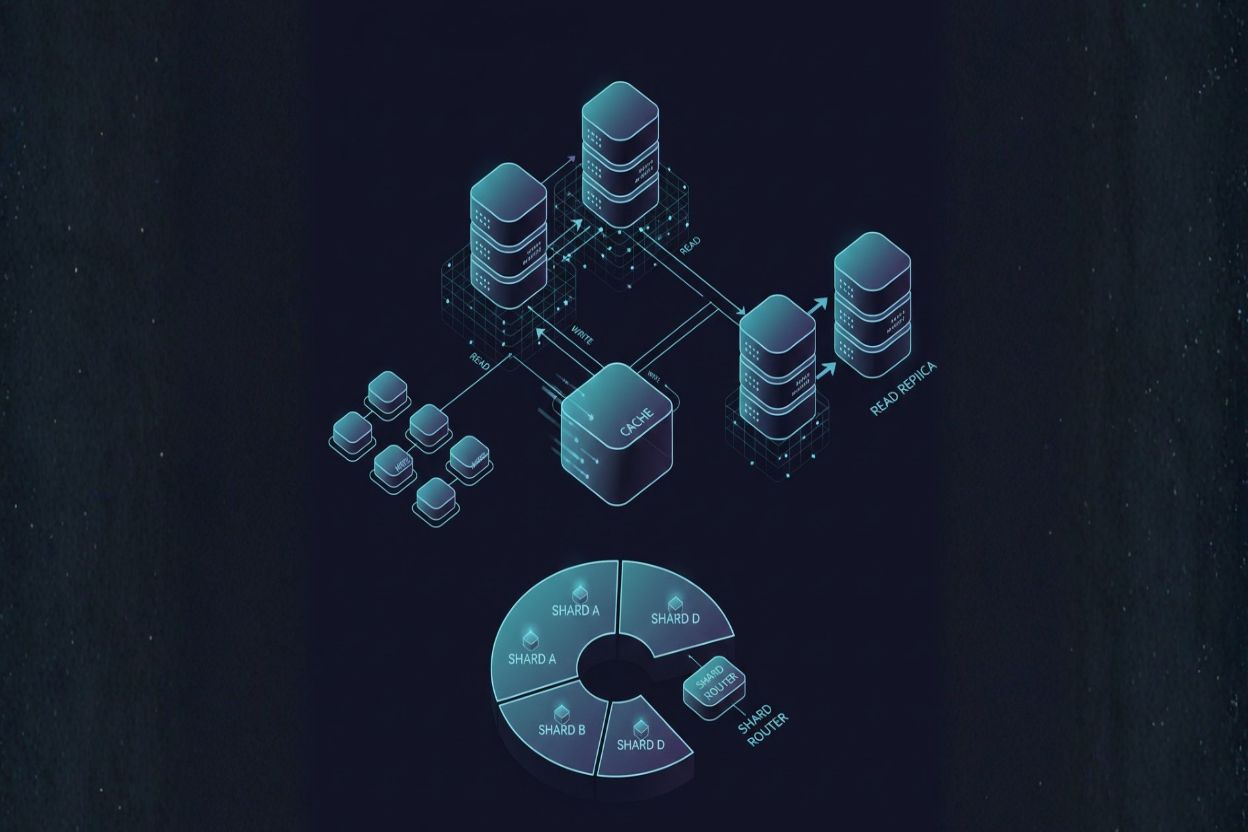
                    Database Scaling Strategies

                    Vertical scaling, read replicas, sharding, and distributed databases are among the scaling strategies. The most suitable method is determined by the needs for consistency and the nature of the workload.

                    Event-Driven Architecture for Web Applications

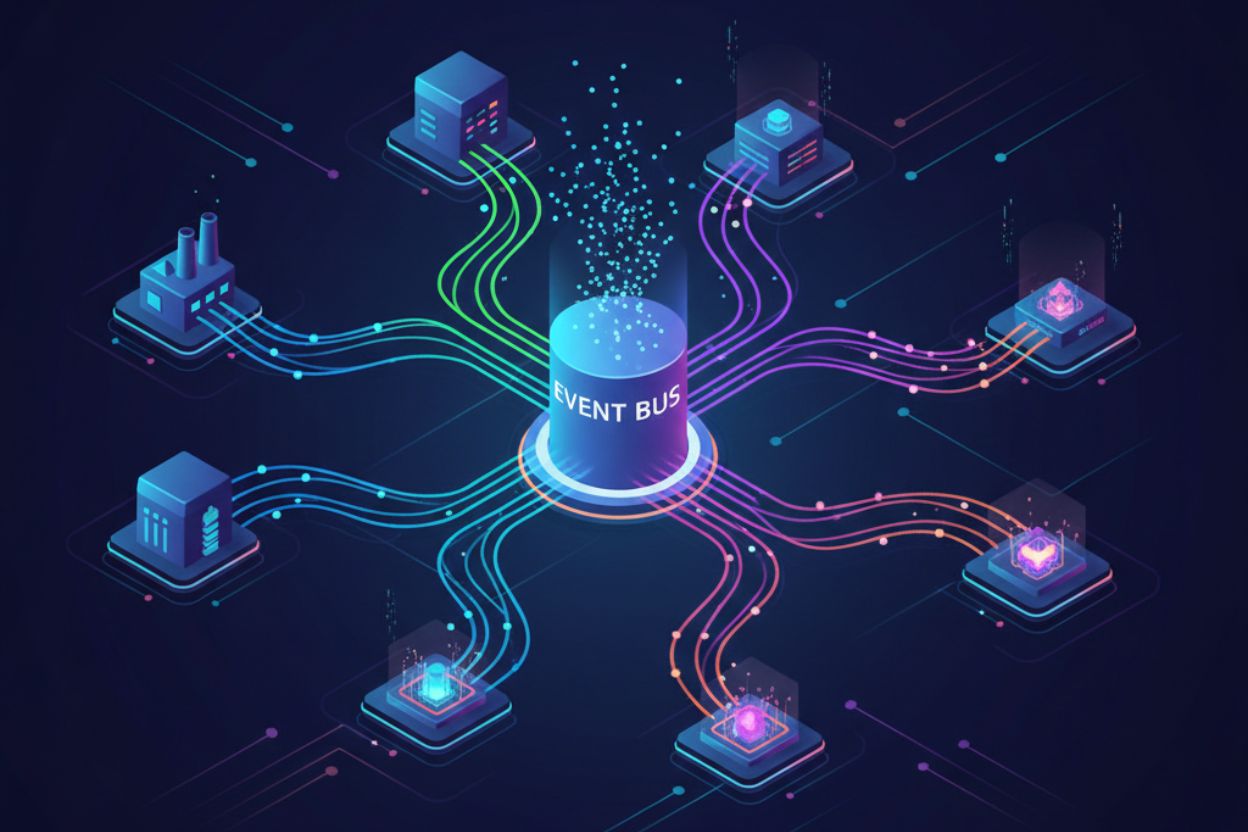
                    Event-driven architecture with producers, event bus, and consumers

                    How Event-Driven Architecture Web Apps Work

                    Event-driven architecture allows services to interact via events instead of direct method invocations. Event producers send events while event consumers process them asynchronously, reducing coupling and improving scalability.

                    Use Cases for Event-Driven Systems

                    Event-driven architectures are perfect for instant notifications, off-main processing, data analysis pipelines, and connecting different services.

                    Web Application Architecture Patterns

                    Architectural patterns are solutions that have been tested and found to be faithful to the design issues encountered repeatedly. Patterns like MVC, CQRS, and event sourcing help organize applications based on their size and complexity.
                    Many of these patterns are implemented and standardized through modern Web App Development Frameworks, which provide structured conventions to translate architectural principles into scalable, maintainable codebases.
                    Domain-driven design for web applications benefits from a clear separation of business domains and technical responsibilities. By aligning architectural boundaries with fundamental business concepts, teams can reduce complexity, improve communication, and build systems that scale more predictably as requirements evolve.

                    Web Architecture Patterns Comparison

                    Pattern Scalability Performance Development
                    Complexity
                    Operational
                    Overhead
                    Best Use Cases
                    MVC
                    Moderate
                    High
                    Low
                    Low
                    Simple web apps
                    Microservice
                    Very High
                    Moderate
                    High
                    High
                    Large platforms
                    Event-Driven
                    High
                    High
                    High
                    Moderate
                    Real-time systems
                    CQRS
                    High
                    High
                    High
                    High
                    Complex domains

                    Load Balancing & Performance Optimization in Web Applications

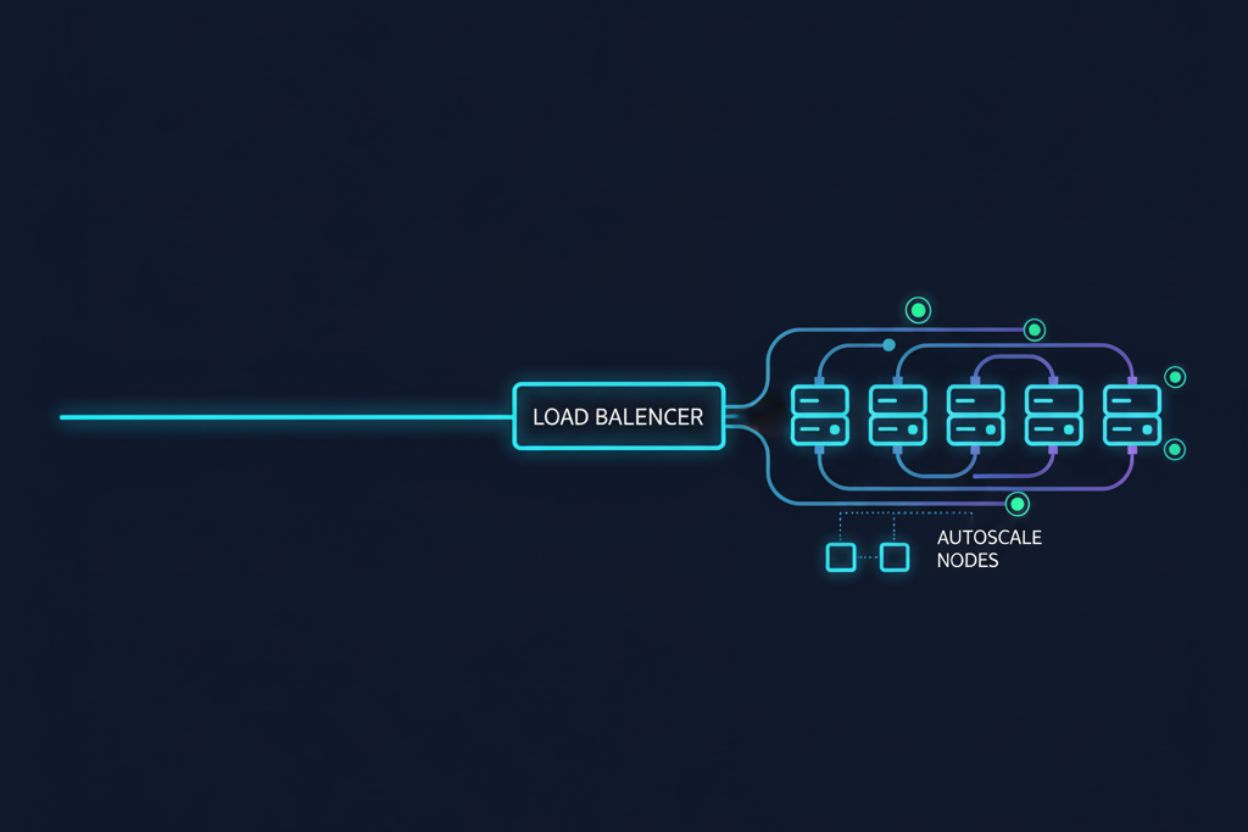
                    Load balancing and autoscaling in scalable web applications

                    Load Balancing in Web Applications

                    Load balancing is a technique that ensures the high availability and fault tolerance of modern web applications by distributing incoming traffic across multiple backend instances. It also allows the application to scale horizontally, enabling it to add or remove servers as demand changes dynamically. While load balancers do not eliminate latency, they manage it by directing requests to healthy, less-loaded instances. They also introduce complexity into the development process, since applications must be designed to be stateless or to manage shared state externally. There are still some overheads related to configuration and monitoring on the operational side, but the managed cloud services have greatly reduced this effort. The most suitable scenarios are for high-traffic platforms, SaaS products, and microservices-based systems where uptime and elastic scaling are crucial.

                    Web Application Performance Optimization Techniques

                    Performance optimization includes caching strategies, database indexing, asynchronous processing, efficient frontend rendering, and continuous monitoring. Applications can grow traffic and stay responsive thanks to these methods working together.
                    These techniques, together, form the foundation of effective web application performance optimization in high-traffic environments.

                    Scalable Web Application Architecture Best Practices

                    Scalable architectures focus on modularity, stateless services, automated deployments, monitoring, and security-first practices. Planning for scalability from the start avoids costly architectural rework later. When evaluating Progressive Web Apps vs Native Apps, scalability considerations such as performance, offline support, update cycles, and cross-platform reach play a key role in selecting the right architectural approach.

                    Framework Choices & Architecture Alignment

                    The choice of framework should align with architectural objectives. Microservices and APIs benefit from lightweight frameworks, whereas full-stack frameworks adequately serve monolithic applications. The proper selection strengthens maintainability and scalability for the future.

                    Common Architecture Mistakes That Limit Scalability

                    The most prevalent errors are interdependence among components, optimization too early, ignoring visibility, and the complexity of operations not fully appreciated. Preventing such problems requires deliberate architectural planning.

                    Conclusion

                    Shaligram Infotech helps businesses architect and build modern web applications that support millions of users, provide real-time interaction, and enable rapid feature changes. Modern web application architecture is no longer about picking a single “best” model, but about combining the right patterns, layers, and practices to meet business needs. By working with the best software development company in India, companies can create web platforms that scale reliably and evolve with confidence over time.

                    Ready to build? Contact our global teams:

                    🇺🇸 USA: +1 (919) 629-9671
                    🇬🇧 UK: +44 20 3581 6366
                    🇮🇳 India: +91 99099 84567
                    🇦🇺 AUS: +61 07 3121 3147

                    💬 Interested in Regular Insights on Web Application Development?

                    📲 Follow Shaligram Infotech on LinkedIn
                    Let’s build the future of applications together.

                    FAQs

                    What are the main types of web application architecture?

                    Monolithic, microservice, serverless, and hybrid architectures are the most recognized architectural styles. Looking to implement the right architecture for your project? Contact our experts today to design a scalable, high-performance web application tailored to your business needs.
                    No option is universally the best; the decision is made based on factors such as team size, application complexity, and scalability requirements.
                    The presentation, business logic, and data layers form the core of a web application architecture.
                    API gateways are suited for cases where a single entry point is needed for multiple backend services and various client types.
                    Domain-driven design helps build technical architecture aligned with business domains, improving understanding and scalability.
                    Categories
                    Blog Software Development

                    Choosing the Right Architecture for SaaS Products

                    Software Development

                    Choosing the Right Architecture for SaaS Products

                    SaaS architecture showing application layers and cloud infrastructure

                    GEt in Touch


                      Why Choosing the Right Architecture for SaaS Products Matters

                      SaaS products differ fundamentally from traditional software. They must serve multiple users simultaneously, deliver updates without downtime, and remain available at all times. As usage grows, the system should scale automatically without degrading performance or reliability.
                      Poor architectural decisions often result in slow feature releases, frequent outages, rising cloud costs, and security risks. In contrast, a well-designed SaaS architecture enables faster development cycles, better fault isolation, regulatory compliance, and the ability to respond quickly to market demands. Ultimately, architecture has a direct impact on customer satisfaction, operational efficiency, and long-term profitability.

                      What Is SaaS Architecture?

                      SaaS architecture is a software delivery model where a single, centrally hosted application serves multiple customers (tenants) over the internet. It governs how components interact, ensures secure data isolation, and utilizes cloud-native infrastructure to scale resources dynamically based on demand.
                      Unlike on-premises software, SaaS applications must support multi-tenancy, automated deployments, high availability, monitoring, and disaster recovery. A strong architectural foundation allows a SaaS platform to grow without constant reengineering.

                      Different Types of SaaS Architecture

                      There is no universal architecture that works for every SaaS product. The right approach to SaaS product design depends heavily on architectural decisions that strike a balance between scalability, security, and long-term maintainability.
                      Common architectural decisions include choosing between monolithic and microservices designs, deciding how tenants share infrastructure, and selecting communication and data storage models. Each option involves trade-offs that must be evaluated against business goals.

                      Monolithic vs Microservices Architecture for SaaS

                      Monolithic vs microservices SaaS architecture comparison

                      Monolithic Architecture

                      A monolithic architecture packages the entire application into a single unit. In recent years, many startups adopt a Modular Monolith approach, organizing code into distinct modules within one codebase. This provides the simplicity of a monolith for early validation while allowing an easier transition to microservices later.

                      Monoliths enable faster iteration for MVPs and early validation. However, as the product grows, scaling becomes inefficient and changes in one area can affect the entire system.

                      Microservices Architecture

                      Microservices architecture breaks the application into independent services that communicate through APIs or events. Each service can be developed, deployed, and scaled independently.

                      This approach improves scalability, resilience, and release velocity for mature SaaS platforms, but it introduces operational complexity. Microservices require strong DevOps practices, service orchestration, and monitoring.

                      Microservices are best suited for SaaS products that have outgrown monolithic limitations and require long-term scalability. Cloud providers such as Google Cloud explain how microservices architecture enables independent scaling, fault isolation, and faster release cycles for growing SaaS platforms.

                      Single-Tenant vs Multi-Tenant Architecture

                      Single-tenant and multi-tenant architecture models for SaaS systems

                      Single-Tenant Architecture

                      In a single-tenant model, each customer has a dedicated application and database instance. This provides strong data isolation and customization, making it suitable for regulated industries such as healthcare and finance.
                      The trade-off is higher infrastructure and maintenance costs, along with increased operational overhead as the number of customers grows.

                      Multi-Tenant Architecture

                      Multi-tenant architecture allows multiple customers to share the same application instance while keeping data logically isolated. This model is widely used in modern SaaS platforms due to efficient resource utilization and simplified updates.
                      The main challenge is ensuring strong security, tenant isolation, and consistent performance across customers. When implemented correctly, multi-tenancy offers significant scalability and cost advantages.

                      SaaS Database Architecture: Choosing the Right Data Model

                      Database Options for SaaS Products

                      SaaS platforms often use a combination of relational and NoSQL databases. Relational databases handle structured data and transactions, while NoSQL databases support flexible schemas and horizontal scaling.
                      Many modern SaaS products adopt a hybrid approach based on workload requirements.

                      Data Isolation Models in SaaS

                      Data isolation can be implemented using shared databases with tenant identifiers, separate schemas, or dedicated databases per tenant. Each approach balances cost, complexity, and security differently.

                      Strong access controls and encryption are essential regardless of the chosen model.

                      Best Practices for SaaS Data Architecture

                      Effective SaaS data architecture emphasizes horizontal scaling, efficient querying, backups, disaster recovery, and governance. Planning for data growth early avoids costly redesigns later.

                      Cloud Architecture and Infrastructure for SaaS Applications

                      Cloud architecture and infrastructure supporting scalable SaaS applications

                      Cloud Deployment Models

                      Public cloud platforms are the most common choice for SaaS deployments, though some organizations adopt hybrid or multi-cloud strategies. Public cloud environments provide scalability, global access, and managed services. In complex environments, cloud consulting services in India help SaaS businesses design secure, scalable cloud architectures while aligning infrastructure decisions with long-term growth plans.

                      Cloud-Native Architecture Components

                      Cloud-native SaaS platforms rely on containers, orchestration tools, managed databases, and CI/CD pipelines. These components enable automated scaling, high availability, and continuous delivery.

                      Key Cloud Infrastructure Considerations

                      Availability, security, monitoring, and cost optimization are essential. Observability tools help teams monitor performance and usage while controlling infrastructure expenses. Leading cloud providers such as AWS outline proven SaaS architecture patterns that emphasize scalability, availability, and cost optimization across cloud-native environments.

                      SaaS Platform Design: Architecture Patterns to Consider

                      Established patterns such as layered architecture, domain-driven design, and event sourcing help manage complexity and improve maintainability. Selecting appropriate patterns ensures the platform remains adaptable as business requirements evolve. The choice of web app development frameworks significantly impacts how SaaS platforms manage performance, scalability, and integration with cloud infrastructure.

                      Scalable SaaS Architecture Best Practices

                      • Stateless services for horizontal scaling
                      • Caching to reduce latency and load
                      • Automated infrastructure provisioning
                      • Proactive monitoring and observability
                      • Failure-aware design for resilience

                      Common Mistakes When Choosing SaaS Architecture

                      Many teams overengineer early by adopting complex architectures too soon. Others underestimate data isolation, security, or monitoring requirements. Ignoring future growth during early design often leads to expensive refactoring later.
                      Aligning architectural decisions with realistic growth plans helps avoid these issues.

                      How to Future-Proof Your SaaS Software Architecture

                      Future-ready SaaS architecture emphasizes modular design, cloud-native technologies, automation, and continuous evaluation. Flexible systems adapt more easily to changing technologies and market demands.

                      Conclusion

                      Choosing the right SaaS architecture is a long-term commitment to scalability, performance, and business resilience. While no single model fits every product, thoughtful architectural decisions aligned with business goals create a strong foundation for sustainable growth. Many organizations partner with a software development company in India to design robust SaaS architectures that support long-term growth and operational stability.
                      At Shaligram Infotech, we design SaaS architectures that are secure, scalable, and future-ready, enabling organizations to build platforms that grow confidently and adapt without unnecessary complexity.

                      Ready to build? Contact our global teams:

                      🇺🇸 USA: +1 (919) 629-9671
                      🇬🇧 UK: +44 20 3581 6366
                      🇮🇳 India: +91 99099 84567
                      🇦🇺 AUS: +61 07 3121 3147

                      💬 Interested in Regular Insights on SaaS Product Development?

                      📲 Follow Shaligram Infotech on LinkedIn
                      Let’s build the future of applications together.

                      FAQs

                      What is the best architecture for SaaS applications?

                      The best architecture depends on scalability needs, complexity, compliance requirements, and long-term goals. Talk to our experts to identify the ideal SaaS architecture tailored to your business and growth plans.
                      Most startups benefit from starting with a monolithic architecture and transitioning to microservices as the product matures.
                      It allows multiple customers to share the same application instance while keeping data logically isolated.
                      Public or hybrid cloud platforms with cloud-native designs are commonly preferred for scalability and flexibility.

                      Relational databases work well for structured data, while NoSQL databases support scalability and flexibility.

                      No. Microservices offer scalability but add complexity and are best suited for mature products.

                      Categories
                      Blog Software Development

                      Top Web App Development Frameworks

                      Software Development

                      Top Web App Development Frameworks

                      Modern web application architecture showing frontend, backend, and framework layers

                      GEt in Touch


                        Why Choosing the Right Web App Framework Matters

                        The framework you choose defines how your web application is built, scaled, secured, and maintained. A well-chosen framework accelerates web app development, improves performance, and supports future enhancements without notable rework.

                        On the other hand, selecting the wrong web development frameworks can lead to slower delivery, limited scalability, higher technical debt, and increased long-term costs. With modern web development moving toward microservices, API-first architectures, and compliance-driven systems, framework selection plays a critical role in project success.

                        Front-End vs. Back-End Frameworks: What’s the Difference?

                        Visual showing interaction between frontend user interface and backend server architecture
                        Understanding frontend vs. back-end frameworks is fundamental to building modern web applications.
                        Frontend frameworks handle the visual and interactive elements of a web application. They control layouts, navigation, animations, and how users interact with the interface.
                        Backend frameworks manage server-side logic, databases, APIs, authentication, and integrations. Together, frontend and backend frameworks form the foundation of any scalable web application. Some teams prefer separate frameworks for each layer, while others choose full-stack solutions that support both frontend and backend development.

                        Frontend Frameworks

                        Frontend frameworks simplify UI development by offering reusable components, routing systems, and performance optimizations. These frameworks directly influence how fast, responsive, and intuitive a web application feels to users.
                        Strong frontend frameworks are essential for delivering modern website app development experiences across devices and browsers. To build visually engaging, high-performing interfaces, many businesses hire dedicated frontend developers who specialize in the latest frontend frameworks and best practices.

                        Backend Frameworks

                        Backend frameworks provide the infrastructure needed to build secure, scalable, and reliable server-side systems. They handle data processing, API management, authentication, and integration with external services.
                        Choosing the proper backend framework ensures that web application development remains stable even as traffic and feature complexity grow. Organizations often prefer hiring a dedicated backend developer to deliver robust architecture, seamless integrations, and long-term application scalability.

                        Top Frontend Web Development Frameworks in 2026

                        Top frontend web development frameworks for 2026

                        React

                        React remains one of the most popular web development frameworks due to its component-based architecture and massive ecosystem. It enables efficient UI updates and works seamlessly with tools like Next.js for server-side rendering.
                        React is widely used for scalable web applications, including SaaS platforms, dashboards, and enterprise portals.

                        Angular

                        Angular is a full-featured frontend framework with built-in routing, form handling, validation, and dependency injection. Its structured approach makes it suitable for large-scale enterprise web applications where consistency and long-term maintainability matter.

                        Vue.js

                        Vue.js is valued for its simplicity and flexibility. Its gentle learning curve and reactive core make it a preferred choice for startups and teams building lightweight web applications that still require performance and scalability.

                        Next.js / Nuxt.js

                        Next.js (React) and Nuxt.js (Vue) extend frontend development with server-side rendering, static site generation, and API support. These frameworks are commonly used for SEO-focused and high-performance web application development.

                        Top Full-Stack Web Frameworks in 2026

                        Top full stack web development frameworks for 2026

                        Next.js

                        Next.js has evolved into a full-stack solution by supporting frontend rendering, backend APIs, middleware, and edge functions within a single framework. Its hybrid capabilities allow developers to easily bridge the gap in the SSR vs CSR debate, offering the best of both worlds for performance and SEO.

                        Meteor.js

                        Meteor enables real-time web application development with built-in data synchronization between client and server, making it suitable for collaborative tools and rapid prototypes.

                        Remix

                        Remix focuses on performance and server-side rendering using modern web standards. It provides structured data loading and routing patterns that improve reliability.

                        Blitz.js

                        Blitz.js extends Next.js by simplifying data access through a zero-API approach. It is commonly used for SaaS products and internal tools that require fast development cycles.

                        ASP.NET Core

                        ASP.NET Core is a high-performance framework from Microsoft for secure, enterprise-grade web applications. Its cross-platform support and scalability make it a reliable full-stack choice.

                        Web Frameworks Comparison: How They Differ

                        Criteria Key Insights
                        Performance & Speed
                        Next.js, FastAPI, and Spring Boot perform well in high-traffic environments. React and Angular are frontend frameworks with strong UI rendering capabilities, while Vue offers lightweight and fast frontend performance. Node.js is widely used for real-time communication and event-driven applications.
                        Scalability & Architecture
                        Django, Spring Boot, and Node.js support microservices and modular scaling. Angular provides a stable and structured architecture for large enterprise applications. Next.js and other full-stack frameworks work efficiently in serverless and edge-based deployments.
                        Learning Curve & Developer Availability
                        React and Vue are easier to learn and adopt. Angular, Spring Boot, and Ruby on Rails require deeper technical expertise. Node.js has a large global developer base, making skilled resources easier to find.
                        Security & Compliance
                        Django and Spring Boot include strong built-in security features suitable for enterprise systems. Laravel and Rails offer secure defaults for application development. Node.js security largely depends on package management and development best practices. x`
                        Ecosystem & Community Support
                        React, Node.js, and Laravel have large and active communities. Django and Vue continue to grow with regular updates. ASP.NET Core is backed by Microsoft, offering long-term stability and enterprise support.

                        How to Choose the Right Framework for Your Web Application

                        The proper framework depends on project goals, scalability needs, team skills, and security requirements. Businesses should evaluate whether their web application requires real-time features, SEO support, enterprise compliance, or rapid development.

                        Steps to Evaluate a Web Development Framework

                        Framework evaluation process showing performance, security, scalability, and maintenance factors
                        1. Define Application Requirements Clearly
                        2. Evaluate Real-World Performance Benchmarks
                        3. Review Security and Compliance Support
                        4. Assess Developer Availability
                        5. Analyze Ecosystem Maturity and Integrations
                        6. Consider Long-Term Maintenance and Updates

                        Common Mistakes When Choosing a Web App Framework

                        • Choosing frameworks based only on popularity
                        • Ignoring scalability and future requirements
                        • Selecting tools without internal expertise
                        • Underestimating maintenance costs
                        • Overlooking security and compliance needs

                        Conclusion

                        The modern web development landscape offers a wide range of web app frameworks, each suited to different use cases and business goals. Selecting the best web development framework requires balancing performance, scalability, security, and long-term maintainability.
                        As a trusted software development company in India, we help businesses choose and implement the right web application frameworks based on real project requirements. Shaligram Infotech brings deep technical expertise and industry experience to support scalable, secure, and future-ready web application development.

                        FAQs

                        What is the best framework for web development in 2026?

                        There is no single best option. The best framework depends on project needs, but React, Next.js, Django, Node.js, and Spring Boot are widely used.
                        React offers flexibility, Angular suits enterprise architecture, and Vue provides faster adoption for smaller teams.

                        Frontend frameworks manage UI and interactions, while backend frameworks handle server logic, databases, and APIs.
                        Spring Boot, Django, FastAPI, and Node.js are strong options for scalable web applications.

                        Evaluate performance, scalability, security, team expertise, and ecosystem support. Connect with us to get expert guidance and choose the right web framework for your project.

                        React, Vue, and Laravel are beginner-friendly and well-supported by strong communities.
                        Laravel, Node.js, and Vue.js are commonly used for small to mid-sized website app development projects.

                        Ready to build? Contact our global teams:

                        🇺🇸 USA: +1 (919) 629-9671
                        🇬🇧 UK: +44 20 3581 6366
                        🇮🇳 India: +91 99099 84567
                        🇦🇺 AUS: +61 07 3121 3147

                        💬 Interested in Regular Insights on Web Application Development?

                        📲 Follow Shaligram Infotech on LinkedIn
                        Let’s build the future of applications together.
                        Categories
                        Blog Software Development

                        Hotel CRM Development: Features, Benefits, And Implementation

                        Software Development

                        Hotel CRM Development: Features, Benefits, And Implementation

                        Abstract digital interface showing hotel CRM technology features and benefits

                        GEt in Touch


                          Experiences drive the hospitality sector. For hotels, providing a unique, hassle-free, and unforgettable stay is as essential as comfortable rooms and luxury facilities. In today’s digitally led world, guests expect a lot more than a friendly smile – they want personalized offers, simple booking processes, and fast communication at every stage of their journey. This is where Hotel CRM, or Customer Relationship Management, in the hospitality industry comes in.
                          Investment in hotel CRM systems, such as Microsoft Dynamics 365 services, has become a strategic necessity for hotels that are looking to establish a stronger relationship with their guests and reduce reliance on OTAs (Online Travel Agencies) while maximizing their revenue.
                          In this blog, we’ll explore everything you need to know about hotel CRM development, its important features, benefits, implementation, and key considerations for success.

                          What is a Hotel CRM?

                          A hotel CRM is a type of software designed to help manage relationships with guests, optimize hotel operations, and create new revenue opportunities. Unlike more generic CRM systems, hotel CRMs are designed specifically to meet the needs of the hospitality sector. As highlighted by Harvard Business Review, hospitality-focused CRM tools enable personalized guest experiences by centralizing critical data.
                          Hotel CRMs aggregate guest data, guest reservation history, guest communication preferences, and guest feedback into a central location so hotels can personalize the guest experience and cultivate guest loyalty.
                          You can think of the hotel CRM system like a digital gatekeeper. It tracks each interaction you have with the guest, from the first inquiry through a post-stay follow-up, making it easy for you to maintain a consistent and personalized experience. With the support of custom software development services, these CRM systems can be tailored to meet the unique operational needs of your hotel, ensuring maximum efficiency and guest satisfaction.

                          Why Hotels Need CRM Software

                          The hotel sector is one of the most competitive markets, and the expectations of guests are changing fast. Hotels using a robust CRM system are less likely to over-depend on OTAs, to miss upselling, and will develop long-term guest loyalty.
                          The key reasons hotels need hospitality CRM automation can be summarized as follows, and working with a trusted CRM development company helps implement these strategies effectively:
                          • To consolidate guest profile information that is fragmented across booking engines, marketing tools, and the front desk system.
                          • To deliver personalized offers and messaging that are relevant to the modern traveler.
                          • To generate more direct bookings from tailored promotions, which will reduce the reliance on OTAs.
                          • To make staff more efficient and to automate repetitive tasks.
                          • To access guest data, which will help hoteliers make decisions for the business moving forward.
                          In summary, CRM software for the hospitality industry is not merely an investment in technology, but rather a systematic way to remain competitive and guest-focused.

                          Must-Have Features of a Hotel CRM System

                          Tech-focused dashboard visualizing key CRM features for hotels

                          Centralized Guest Database

                          A guest database includes the history of guests’ stay, their preferences and demographics, and their feedback. This type of information allows a hotel to communicate more effectively with guests, drive repeat bookings, and create a unique guest experience.

                          Integration with Hotel Booking Software & Reservation
                          Management Systems

                          Easy integration with PMS (Property Management Systems), booking engine, and reservation services allows for real-time information flow into the hotel operation. This means that it helps avoid overbooking, minimizes administrative errors, and provides useful data on occupancy trends

                          Automated Guest Communication & Personalization

                          Automation enables timely communication (booking confirmations, pre-arrival reminders, post-stay survey). Personalization engines allow hotels to send special offers, discounts for birthdays, or room upgrade offers to guests, making them feel appreciated.

                          Loyalty Program Management

                          Hotel booking management system lets you design and manage loyalty programs right from tracking points, as well as providing incentives for frequent travelers. A well-executed loyalty program boosts repeat bookings and allows for a hotel’s dependency on OTAs to decrease.

                          Revenue Management & Upselling Tools

                          CRMs that have revenue optimization technology enable revenue managers to develop opportunities for upselling guests on amenities, such as spa specials, dining options, or late checkout requests. This type of capability supports the core hotel industry principle of growing secondary revenue at the same time as enhancing guest satisfaction.

                          Mobile Access for Staff

                          Modern hotel CRM systems offer mobile apps to staff to let them access guest profiles and booking information, leading to industry mobility that allows front desk associates to share reservations with housekeeping in real time. Mobile CRMs enable a hotel to quickly and easily communicate booking changes across departments while also keeping the guest engaged, whether it be the front desk or housekeeping. Dynamics 365 further supports this by enabling efficient remote and mobile workforce operations.

                          Advanced Analytics & Reporting

                          Analytics dashboards give insight and visual representations of guest behaviors, booking trends, and campaign effectiveness. This helps managers make informed data-driven decisions in terms of marketing investments, pricing strategies, and guest services to offer the best customer experience possible.

                          Benefits of Hotel CRM for the Hospitality Industry

                          Enterprise software project execution image

                          Improved Guest Satisfaction and Retention

                          A hotel can generate repeat customers who not only appreciate their stay but also will tell others how great it was by investing in good hotel reservation software. A great hotel CRM will allow staff to understand guest preferences before a stay begins, creating experiences that feel personalized.

                          Increased Direct Bookings vs. OTA Dependency

                          Attracting repeat guests with offers and loyalty programs will drive direct bookings to the hotel, which will lower costly OTA commissions from bookings. According to McKinsey’s analysis of hospitality trends, direct booking strategies are essential for improving margins and guest loyalty.

                          Streamlined Operations with Hospitality CRM Systems

                          A centralized CRM will allow for efficiency in staffing, more coordination between departments, and an easier workflow throughout the property. Solutions like Dynamics 365 play a key role in streamlining operations and improving overall property management.

                          Data-driven Decision-Making for Managers

                          With a reliable hotel reservation management system, managers get access to deep insights on what to do with pricing, staffing, and marketing, which will lead to more profits. Dynamics 365 supports these data-driven decisions by providing real-time analytics and actionable insights.

                          Improved Sales Pipeline with Hotel Sales CRM

                          Sales CRM functions will help attract corporate clients, book events, and build B2B relationships with travel agencies and groups.

                          Custom vs. Ready-Made Hotel CRM Solutions

                          When hotels start thinking about rolling out a CRM, one of the first points of consideration is whether to engage in a custom-built solution or a pre-built CRM solution. Both have pros and cons, and the right choice for the hotel will depend on size, budget, long-term strategy, and technical requirements.

                          Pre-Built Hotel CRM Solutions

                          Pre-built CRM solutions are off-the-shelf platforms that hotels can quickly buy, configure, and deploy. Many popular SaaS CRMs targeted to hospitality come with integration for booking engines, property management systems (PMS), and marketing tools.

                          Custom Hotel CRM Solutions

                          Custom hotel CRMs are custom-built systems developed for a hotel or a chain of hotels. They are built from the ground up to meet specific business processes, brand standards, and guest engagement strategies.

                          Hotel CRM for Different Types of Hospitality Businesses

                          Enterprise software project delivery snapshot
                          The versatility of CRM systems represents their primary strengths. Not every hotel operates under the same conditions, nor do they accommodate the same types of guests. Below are illustrations of how each hotel sector can provide different levels of unique value with CRMs

                          Luxury Hotels & Resorts

                          Luxury travelers expect flawless personalization. A CRM allows the hotel staff to anticipate guest needs – whether they prefer champagne or sparkling water in their room after check-in, the type of pillow used, or if the spa needs to be arranged ahead of time. Integration with the hotel’s loyalty program ensures returning VIPs leave with a feeling of recognition while confirming that they are being offered unique value.

                          Boutique Hotels

                          Boutique hotels rely on storytelling and unique guest experiences. A CRM allows them to maintain personal relationships with their guests while storing guest feedback, reasons for their trip (i.e., honeymoon, anniversary, business trip), and their stated preferences. CRMs also provide the boutique hotel with options to conduct targeted marketing campaigns consistent with their hotel’s brand.

                          Business Hotels

                          For business travelers, time and efficiency are what matter the most. A CRM for business hotel guests is centered around managing corporate accounts, group bookings, event management, and fast check-in times. A CRM may also allow the user to handle invoicing automatically, as well as manage the meeting-room schedules at the hotel property.

                          Resorts & Spas

                          Guests of resorts and spas are often looking to package everything together, from wellness programs to adventure programs. A CRM allows the hotel to assess the guest’s interests to recommend/to upsell another service, together with a spa appointment or golf outings, or a negotiable water adventure.

                          Small & Budget Hotels

                          Budget hotels often operate on narrow margins and are highly dependent on OTAs. With a small hotel booking software, they can reduce labor costs by automating many communications (check-in letters, post-stay surveys, etc.) and can stimulate loyalty among budget-conscious travelers.

                          Chains & Multi-Property Groups

                          Hotel chains need a CRM that can scale globally at each property, while allowing centralized guest records from anywhere in the world. This enables guests to experience seamless service, whether they are staying in New York or Singapore, and enables the tracking of loyalty points earned anywhere in the world.

                          Hotel CRM Development & Implementation Process

                          Enterprise software project delivery overview
                          Establishing and launching a CRM for hotels is a multi-step process. If deployments are rushed without deliberate thought, a hotel may find its new CRM is not being fully utilized, or worse, employees may simply be resistant. Using a step-by-step or structured approach will pay back in the end:

                          Identify Requirements

                          The first step is to determine what is required by the hotel. Does it need stronger communication between hotel guests and staff, enhanced reporting, and integration with OTAs in a streamlined way? Hotels should be sure to involve all stakeholders from the front desk, sales, marketing, housekeeping, and management, to ensure the CRM will meet requirements for all relevant touchpoints.

                          Vendor/Development Partner Selection

                          Determining if a hotel should opt for off-the-shelf CRM products or partner with a development company for a custom piece of software is required early. Some key selection criteria for a hotel CRM should include cost, future scalability, integrations, ease of use, and primary software support by the vendor.

                          System Design & Developmen

                          In the case of developing your own CRM, the design process will require determining what modules will be included (such as a guest database, loyalty databases, analytics), what workflows will be needed, and integration flows to make your new CRM work rock-solidly with your hotel. If a CRM is off-the-shelf, this phase is likely simply customizing settings to fit the uniqueness of the existing hotel operations.

                          Integration with Existing Systems

                          No CRM stands alone as a system. A hotel’s new CRM must integrate with the PMS, POS, booking engines, and channel manager to stay accurate with good data and to eliminate manual duplication. For a stronger hospitality operation, including larger hotels, this integration process will rely on APIs working seamlessly together and in real-time.

                          Testing & Pilot Implementation

                          Before full-scale deployment, hotels should conduct tests on a pilot basis in one property or department. This allows hotels to identify gaps, usability issues, and training requirements. Feedback obtained through tests helps further tweak the system.

                          Training & Change Management Staff

                          Technology implementation is considered only successful when employees feel comfortable using it. Training sessions at all levels, along with user guides that are easily digestible and have ongoing support, ultimately convince employees to adopt the CRM rather than resist using it.

                          Implementation & Ongoing Monitoring

                          After successful pilots, hotels can go for full deployment at all properties. Monitoring will occur on a regular basis and throughout guest feedback and employee performance reviews to measure ROI. This ongoing data analysis presents the opportunity for continuous improvements, such as AI updates and feature enhancements.
                          The hospitality CRM landscape is proceeding to evolve rapidly, strongly driven by technology, guest expectations, and competition in the market. Below are the major announcements that are shaping the future:

                          Artificial Intelligence & Machine Learning

                          AI-enabled CRMs are moving beyond basic automation. The future of CRMs lies in their ability to forecast guest behavior, recommend servicing opportunities, and enable dynamic pricing. With machine learning, hotels recognize patterns within CRMs (i.e., the guest who always avails themselves of spa services during winter stays) and serve bespoke offers automatically.

                          Conversational AI & Chatbots

                          The smiling face of the front desk staff is no longer the only expectation guests adopt with hospitality – the expectation is now 24/7 availability. Whether integrated into a hotel’s website, WhatsApp, or mobile CRM, chatbots should provide instant responses to guests, manage their bookings, and handle complaints. This will improve guest satisfaction and also lessen the workload of hospitality staff.

                          IoT Integration for Personalized Stays

                          Internet of Things (IoT) devices, or smart devices, such as smart thermostats, smart lighting, or smart in-room entertainment systems, are the new attractions in inviting guests to have tailored in-room experiences. A returning guest could walk into their assigned room to find their preferred room temperature, and their Netflix account already logged in.

                          Omnichannel Engagement

                          In the future, CRMs will expand their use of communication beyond most likely email and SMS messaging. In addition, they will incorporate social media direct messages, messaging apps, and possibly even voice assistants, so hotels can engage with future guests on channels that they likely already use every day.

                          Cloud-Based & Mobile-First Solutions

                          Cloud-based CRM is quickly becoming the norm, given its scalability and cost-effectiveness, and ease of implementation. Mobile-first CRMs for the hospitality industry allow guest data access in real-time, and anytime, anywhere, service on the go across the property. Hyper-Personalization with Big Data Guests also expect more than just “Dear Mr. X” in an email. The ability to harness Big Data within CRMs will provide a significant opportunity for hyper-personalization, like spa discount offers presented to health-conscious travelers, or promote repeat family guests by promoting family packages.

                          Data Privacy & Compliance

                          As regulations develop, such as GDPR and CCPA, CRM systems will prioritize guest data security and transparency in the future. Hotels need to choose and provide checkpoints for guests to easily opt-in/opt-out of sharing data, as well as ensure effective encryption protocols to uphold trust through simplicity.

                          Sustainability-Driven CRM Features

                          Eco-conscious travel is on the rise. We will soon see CRMs capturing and advocating green initiatives, paperless check-ins, carbon neutrality stays, and eco-friendly packages as hotels seek to appeal to guests who are interested in sustainability.

                          Conclusion

                          A hotel CRM system is not a luxury anymore; it is a competitive advantage. From generating guest loyalty to maximizing revenue, hotel CRM systems allow hotels to create unforgettable experiences for each guest while streamlining operations; whether it’s small boutique properties or a global chain, incorporating hotel CRM development is a step towards improved guest relationships and future success.

                          💬 Want regular insights on CRM in hospitality?

                          Follow Shaligram Infotech on LinkedIn
                          Let’s redefine guest experiences with smart technology.

                          FAQs

                          How does hotel CRM software improve guest experience?

                          Hotel CRM works on delivering personalized interactions to guests and making them feel valued throughout their stay, as well as improving the before and after experiences by automating communication and centralizing guest data.
                          The best hotel CRM should include key features like centralized data with guest information, loyalty program management, booking integration, advanced analytics, mobile access, and automated communication.
                          Hotel booking software can manage reservations, while hotel CRM software can help with guest relationships and personalization, and encourage guest loyalty. They should be used together if you integrate the two systems.

                          Yes, even small hotels can use a hotel CRM system to engage repeat guests, develop less dependence on OTAs, and operate more efficiently. This is possible today because some hotel CRMs exist in the cloud.
                          Many different factors can contribute to the cost of HRM software development, such as complexity, how many integrations, and any unique customizations. A smaller CRM project may start out as an affordable SaaS option. A custom-built enterprise-level hotel CRM option could be close to 100k or higher. Ready to find the right CRM solution for your hotel? Contact us today to get started!
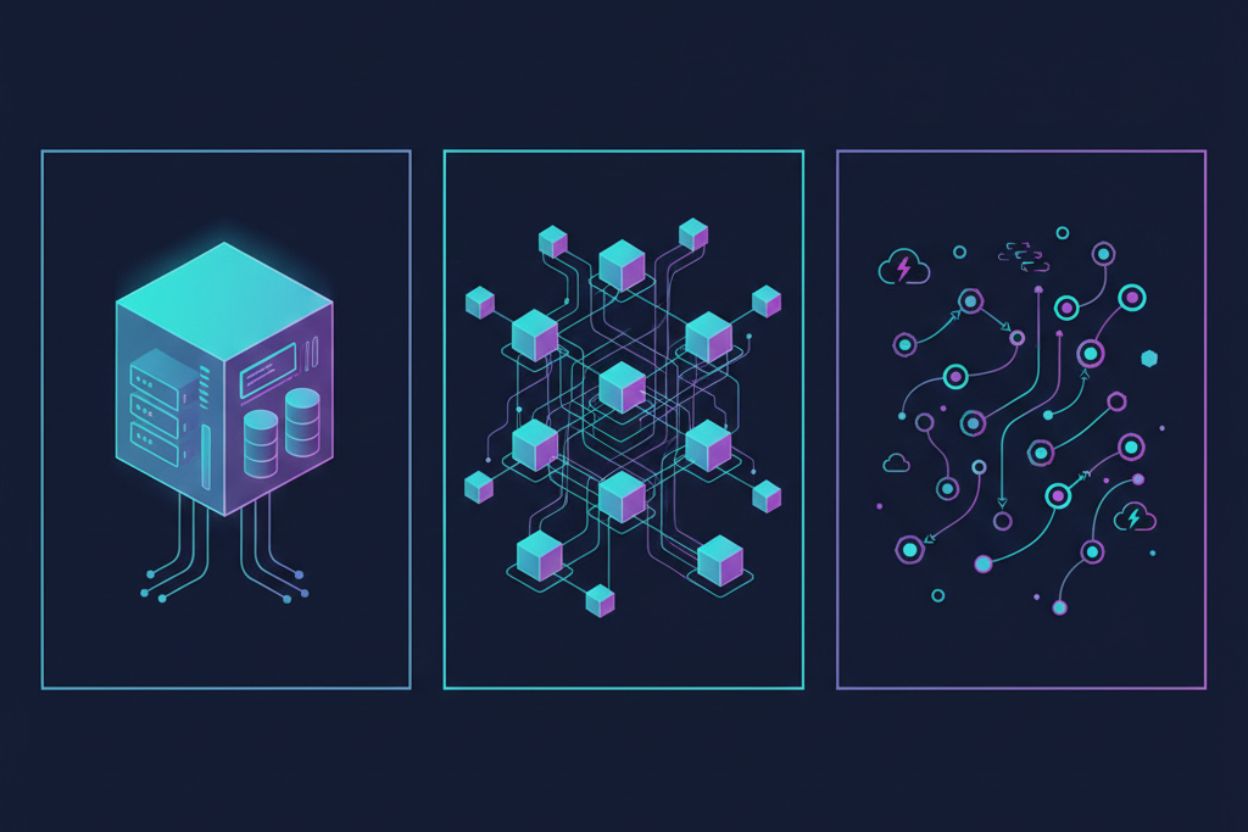
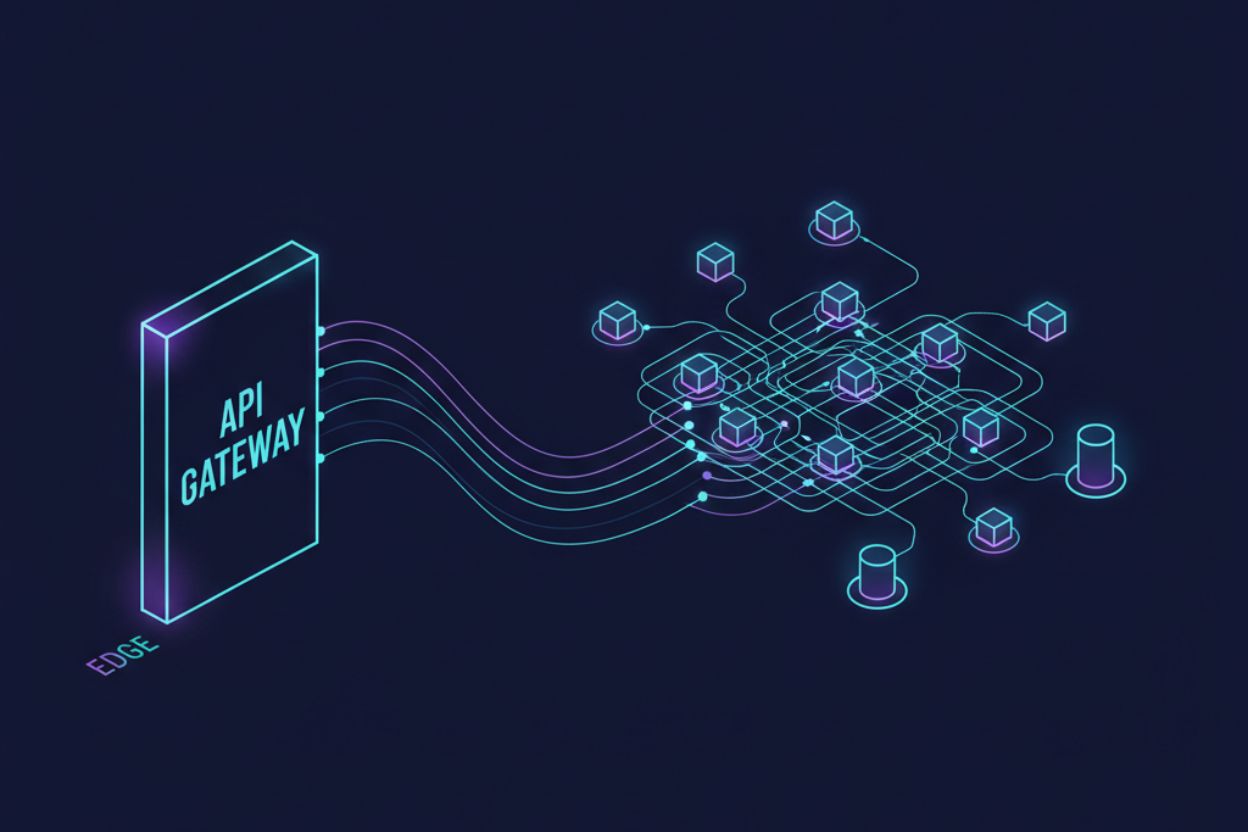
                          You could start evaluating your goals, then choose a hotel CRM that is custom-built or ready-made, integrate your CRM with your existing hotel software system, train your staff, monitor how your CRM system is performing throughout, and continue implementing changes.
                          Categories
                          Blog Software Development

                          React JS vs. Angular: Which is the Best Choice for Front-end Development?

                          Software Development

                          React JS vs. Angular: Which is the Best Choice for Front-end Development?

                          React JS vs Angular framework comparison

                          To keep up with the dynamic market demands in this modern landscape, enterprises need to invest in efficient, scalable,e and robust solutions. When it comes to choosing the right front-end framework, they end up looking at two heavyweights- React and Angular which comes with its own set capabilities and strengths. The way developers craft dynamic, modern and user-friendly web applications has been redefined by these technologies. In short, business owners who are trying to select the most suitable option for themselves can feel entrapped in the complexities of both solutions.  

                          The best way to resolve this issue is to understand what Angular is and what React is? Keeping that in mind, here in this blog, we will take a look at each of these technologies, try to understand each of them and compare them from different aspects.

                          An Overview: React Vs Angular 

                          React is a JavaScript library while Angular is a frontend framework based on TypeScript. Both of them have their own set of strengths and weaknesses. React comes with a component-based architecture, virtual DOM, a good ecosystem of packages, and much more. Angular, on the other hand, comes with dependency injection, two-way data binding, and much more. 

                          So, let’s start by understanding each one of the technologies before you make

                          What is React? 

                          React is an open-source JavaScript library used to build UI components during front-end development. Developers can create complex and interactive UIs by leveraging its declarative views and component-based architecture. The library can be used to develop fast and scalable apps for businesses.  

                          Key features of React are: 

                          • JS advantage 
                          • One-way data binding 
                          • Declarative views 
                          • Building blocks flexibility 
                          • Virtual DOM 

                          Benefits of React 

                          Benefits of React
                          • Comes with an intuitive user interface 
                          • Offers code reusability 
                          • Has view-oriented approach 
                          • Faster development time 
                          • Easy integration with third-party libraries 
                          • Faster updates for both server-side and front-end support
                          • Offers high and efficient performance with React native library support 

                          What is Angular? 

                          Angular is a TypeScript-based development platform that comes with a component-based architecture. This application-design framework is used to develop scalable web apps. It comes with several features and libraries that help in boosting front-end development. It comes with a set of developer tools that helps seamlessly scale your small application to an enterprise-grade one.  

                          Key features of Angular are: 

                          • Angular CLI 
                          • Dependency injection 
                          • Two-way data binding 
                          • Build-in libraries 
                          • Virtual scrolling 

                          Benefits of Angular 

                          Benefits of Angular 
                          • Helps write clean code with dependency injection 
                          • Build-in documentation available for Ajax, HTTP, and Observables 
                          • Single routing option with data binding and interactive UIs 
                          • Offers quick server-side rendering 
                          • Let developers create reusable components 
                          • Synchronizes data between the component and model view. 

                          A Quick Comparison: React Vs Angular 

                            React  Angular 
                          Type   JavaScript-based library  Structural framework 
                          Purpose   Build interactive UI components  Build dynamic web applications 
                          Language   JavaScript  TypeScript 
                          Developed/maintained by  Facebook  Google  
                          Development approach  Uses JSX, XML-like syntax  HTML functionality extended 
                          DOM  Virtual   Real  
                          Performance   Higher performance  High performance
                          Data binding  One-way Two-way 
                          Dependency injection  Dependency injection is not fully enabled  Dependency injection is supported
                          Learning curve  Relatively less Tough for beginners 
                          Ideal use cases  Good for large and modern web apps that come with variable data.  Good for enterprise apps, SPAs, and PWAs.  

                          Detailed Comparison Of React Vs Angular 

                          1. Components 

                          React does not come with a fixed format to let developers write codes. It comes with a codebase that is readable and well-structured. The codes can be logically organized by using component trees. 

                          Angular is based on MVC framework which is divided into components called Models, Views and Controllers. However, it comes with a complex and fixed app structure. Here codes can be divided into individual files which means codebases and templates can be reused across other projects.  

                          2. UI Components 

                          React comes with reusable UI components which are used by front-end developers to create dynamic user interfaces. Developers can go for UI configuration to build interactive web applications with the best user interface by using variable data. 

                          Angular, on the other hand, builds UI components from scratch using the Angular Material UI library and thereby designs dynamic web applications.   

                          3. Data Binding 

                          React uses one-way data binding. So, once the model state is updated, the modifications are rendered in the interface model. The model state remains unchanged whenever the UI components are changed.  

                          On the other hand, Angular uses two-way data binding. This means the model state changes whenever the interface element is changed.   

                          4. DOM 

                          React uses a virtual DOM while Angular comes with a real DOM. A user’s current browser view is represented graphically with a Document Object Model or DOM view controller. 

                          5. Performance 

                          When it comes to building high-performing apps, React does a better job than Angular. Angular applications have an easier codebase structure due to their digest cycle. This makes rendering fast while improving speed and performance on the server side.  

                          Now in case of React, virtual DOM ensures speedier performance and faster rendering. As React does not require a complete HTML rewrite, updates are rendered faster and performance on client side gets improved.  

                          6. Language 

                          Angular makes use of TypeScript, where it is easy to navigate codes and typos can be identified easily. On the other hand, React writes applications using JavaScript (ES6+). Any language that compiles with JavaScript can be used for React which makes it a better option than Angular from a language perspective.  

                          7. Tools 

                          React comes with a lightweight ecosystem that helps developers to work on the specific needs of the project by choosing and configuring tools accordingly. It makes use of many code editing tools like Atom, Visual Studio, and Sublime Text. It makes use of the Next.js framework for server-side rendering Create React App to bootstrap a project. Different tools are used by developers to test the application developed using React. 

                          Angular is considered the best option for developing larger projects as it offers an extensive ecosystem of tools which also includes Angular CLI. Different operations can be executed by developers using Angular JS tools. The Angular application can be tested using any tool like Protractor, Jasmine, or Karma. 

                          8. Learning curve 

                          Angular has a steeper learning curve as compared to React. It comes with a complicated component handling system which beginners can find time-consuming to learn. Again, an issue can be resolved in many ways as Google Angular IO framework provides many solutions. 

                          React comes with a low learning curve and anyone with knowledge of JavaScript will be able to build an app on React. It provides beginners with enough resources to get started with the framework even after its frequent updates.   

                          Angular vs React: When to choose what? 

                          Now that you know about both front-end technologies better and have a detailed comparison of both technologies based on different parameters, it is time to understand when to choose what. 

                          Angular vs React: When to choose what?


                          When to choose Angular? 

                          • You need to build an enterprise-grade application. 
                          • You need a ready-made solution. 
                          • The app’s complexity is around low to medium.  
                          • Need to build long-term projects that are easy to maintain.  
                          • Developers have knowledge of TypeScript, C#, Java, etc.  

                          When to choose React? 

                          • You need to build a custom application. 
                          • You need to have dynamic interfaces that offer real-time updates. 
                          • Need to build web applications that have interactive UI components.  
                          • Need to build cross-platform mobile applications that run smoothly on iOS and Android.  
                          • Developers have knowledge of JavaScript, HTML, and CSS  

                          Conclusion 

                          When it comes to front-end technologies, both Angular and React are popular among the developer community. Both of them can be considered as the right solutions for developing modern-day applications. So, choose one that matches your project needs, required functionalities, skills of developers, and of course your budget.  

                          At Shaligram Infotech, we have teams with varying expertise in React and Angular, capable of offering the required solution that meets your business needs. Whether you need to optimize your existing application or need to build one from scratch, we can help you with that. Get in touch with us to discuss your project ideas and know how we can help you meet your business goals.